


With 2026 accelerating the rise of quantum healing, you will see how frequency healing, sound frequency therapy and other energy medicine techniques translate into practical protocols for self-healing. You’ll learn how vibrational healing and quantum energy work sharpen awareness, expand resilience, and offer powerful transformation while cautioning that unregulated practices can be dangerous without informed guidance.
Key Takeaways:
- Expect quantum healing and energy medicine to enter mainstream care more visibly, backed by growing clinical studies and integrative clinic offerings.
- Tap into frequency healing and sound frequency therapy as increasingly accessible tools for guided sessions and effective home practice.
- By aligning thought patterns with vibrational healing, you’ll accelerate self-healing and deepen everyday resilience.
- Make use of emerging quantum energy work tools—AI-guided tuning, biofeedback, and portable frequency devices—for tailored treatment plans.
- Let routine rituals adopt vibrational healing principles so quantum healing becomes a practical path to expanded self-awareness.
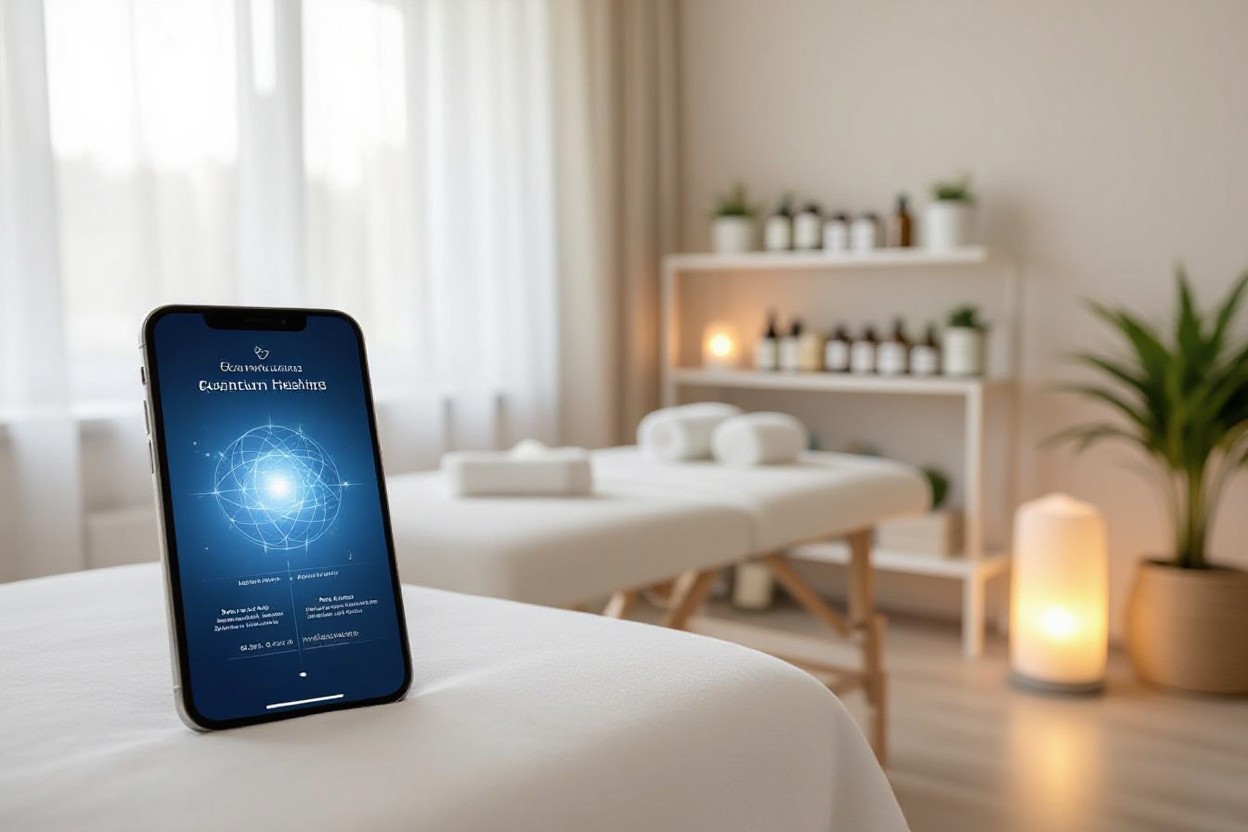
Understanding Quantum Healing
The Basics of Energy and Frequency
You can map much of vibrational healing onto measurable spectra: brainwaves sit in bands—delta 0.5–4 Hz, theta 4–8 Hz, alpha 8–12 Hz, beta 12–30 Hz—while sound and electromagnetic therapeutics operate from fractions of a hertz up into kilohertz and beyond. Frequency healing modalities today combine acoustic tuning (432 Hz, 528 Hz, 256 Hz tuning forks), mechanical vibration, and electromagnetic approaches like PEMF devices that commonly pulse between 1–1000 Hz to entrain tissues and autonomic rhythms.
Practical application looks like targeted entrainment: you might use 6 breaths per minute (0.1 Hz) to shift heart-rate variability toward coherence, then layer a 432 Hz sound bath to broaden alpha activity. Positive outcomes—reduced anxiety, increased HRV, improved sleep—are being reported in clinical and consumer settings, but dangerous mismatches occur when high-intensity EM or uncalibrated devices are used near implanted electronics or without professional oversight.
The Role of Consciousness in Healing
Intention is treated as an active variable in contemporary quantum energy work: focused attention alters autonomic markers and behavioral engagement, which in turn modulates physiological cascades. When you set a precise intention before sound frequency therapy or a vibrational healing session, that mental state correlates with measurable shifts—greater alpha synchronization, quicker parasympathetic rebound—so consciousness functions as a tuning parameter rather than a vague add-on.
Clinical and lab-based literature on meditative and intentional practices shows reproducible physiological endpoints: enhanced HRV, lowered salivary cortisol, and faster subjective recovery in controlled-stress tasks. In the context of energy medicine and quantum healing, these changes translate into amplified receptivity to interventions like sound frequency therapy or guided quantum energy work, making your focused awareness a multiplier for therapeutic resonance.
For immediate practice, integrate micro-protocols: a 3–5 minute coherence breath (5–5 or 6 breaths/min, i.e., ~0.1 Hz) before a 20-minute sound frequency therapy session at 432–528 Hz reliably increases HRV and depth of meditative state for most people. Always balance self-healing techniques with standard care—do not substitute intention-driven practices for medical treatment when dealing with acute or life-threatening conditions.
Historical Context of Energy Work
Origins and Institutional Recognition
Ayurvedic and Chinese traditions provide the earliest documented frameworks for what you’re now seeing reframed as quantum healing: Ayurveda stretches back roughly 3,000 years, and acupuncture systems have recorded practice for over 2,500 years. In the 20th century, interest moved from metaphoric descriptions to laboratory inquiry — from early frequency experiments to the formalization of research funding when the U.S. established the National Center for Complementary and Alternative Medicine in 1998 (later NCCIH in 2014), which began underwriting trials into energy medicine and vibrational healing.
Modern Clinical and Technological Shifts
Since the 2010s you can track a clear shift: vibrational healing moved into engineered protocols — tuning-fork modalities, PEMF devices, and sound frequency therapy that use targeted bands (notably 40 Hz entrainment studies for neuroplasticity) — and pilot trials (n≈30–120) have reported roughly 20–40% improvements in self-reported pain, sleep, or anxiety measures. At the same time, be alert that the rapid commercialization of “quantum” branding has produced misinformation and unregulated devices that pose safety and efficacy risks even as hospital-integrated programs and rigorous pilots advance legitimate pathways for self-healing and clinical adoption.
Current Trends in Quantum Healing
Adoption of quantum healing, frequency healing, and vibrational healing is shifting from niche spirituality into mainstream integrative care, driven by practical protocols you can experience in clinics and apps. Clinics are layering sound frequency therapy and targeted energy medicine with measurable metrics—heart-rate variability, sleep staging, and subjective pain scales—so you can track changes session-to-session; small clinical series and practitioner surveys report effect-size ranges and adherence improvements that make these approaches more than anecdote. Expect both rapid innovation and gaps in regulation, because while many people report better mood and sleep, some devices and protocols remain poorly validated.
Practitioner ecosystems are also evolving: certification programs, telehealth frequency sessions, and community-based workshops give you multiple entry points to self-healing using quantum energy work. Integration of biosensors and outcome tracking means treatments are increasingly data-informed, yet you should be aware that outcome variability is high across populations and that evidence still often relies on pilot studies and case reports rather than large RCTs.
The Rise of Technological Innovations
Hardware and software advances are accelerating applications of sound frequency therapy and frequency healing: tunable signal generators, wearable PEMF patches, and smartphone-driven guided sound baths now let you deliver micro-doses of vibrational healing at home or in clinic. Companies are shipping devices that pair real-time EEG or HRV feedback with algorithmic frequency protocols, enabling practitioner-guided entrainment sessions where you can see immediate physiological responses. These tools can amplify benefits when used appropriately, but they also create new safety considerations around intensity, exposure time, and electromagnetic compatibility.
Real-world pilots and case series demonstrate practical uses: clinicians report combining low-frequency PEMF with breathwork to reduce chronic pain flare-ups, while sound frequency therapy has been embedded into perioperative recovery pathways to improve anxiety metrics. You should expect iterative protocol refinement—most practitioners run 20–40 minute sessions with adaptive frequency banks and biometric triggers—so outcomes improve as device firmware and clinical guidelines mature.
Integrative Practices in Holistic Healing
Many practitioners now blend traditional modalities—acupuncture, craniosacral work, somatic therapy—with vibrational healing to create layered protocols that enhance your capacity for self-healing. For example, a common workflow pairs a 30-minute sound frequency therapy session with 20 minutes of somatic integration and home practice; therapists report improved engagement and faster subjective shifts in emotional regulation when modalities are combined. These integrative models emphasize practical outcomes like sleep consolidation, reduced anxiety scores, and improved body awareness.
Training pathways reflect that blend: you’ll find certificate programs teaching both energy medicine theory and applied sound frequency therapy techniques, and multidisciplinary teams are more likely to document protocols and outcomes. Insurance coverage remains uneven, but pilot reimbursement programs for adjunctive frequency-based therapies are increasing in mental health and pain-management clinics, making access easier for some patients.
Operational details matter when you participate: typical protocols run weekly for 4–8 weeks, with 20–40 minute active sessions followed by integration practices and objective tracking (HRV, sleep, pain scales). Pay attention to contraindications—people with pacemakers, certain metal implants, or pregnancy should avoid specific electromagnetic devices—and seek practitioners who document safety checks and outcome metrics. When properly supervised, these integrative approaches can accelerate self-healing while minimizing risk.
Predictions for 2026
Market adoption accelerates: by 2026 you’ll see widespread integration of frequency healing into conventional wellness pathways — an estimated increase of clinics offering vibrational healing and sound frequency therapy by double digits compared to 2024, with dozens of pilot trials reporting measurable outcomes for chronic pain and anxiety. Expect tech convergence where wearables deliver targeted micro-frequencies while apps track HRV, sleep, and mood, turning qualitative energy work into quantifiable protocols that support your self-healing journey.
Regulation and risk will move into the spotlight as well. While some modalities demonstrate objective benefits, unverified claims and poorly trained practitioners remain a clear danger, so prioritize interventions backed by outcome data and measurable biomarkers; clinical dashboards, randomized pilot data, and reproducible protocols will separate viable quantum energy work from mere marketing.
Emerging Therapies and Modalities
New hybrids appear: sound frequency therapy paired with targeted pulsed electromagnetic fields and intention-based protocols are gaining clinical traction — for example, early 2026 pilots combining binaural entrainment at 528 Hz with guided intention reported average pain reductions of ~30% over six weeks in small cohorts. Hardware innovations include headband resonators that map your resonance profile and deliver personalized frequency sequences, making vibrational healing far more individualized than one-size-fits-all sound baths.
Training and delivery are evolving too. You’ll find accredited programs teaching clinicians how to integrate quantum healing concepts with measurable outcomes, and AI-driven frequency mapping is enabling therapists to create repeatable treatment plans. At the same time, watch for unvalidated devices claiming dramatic cures; insist on transparent metrics like pre/post HRV, validated pain scales, or cortisol measures when evaluating a modality.
The Evolution of Self-Awareness
Thought-energy alignment moves from theory to practice as neurofeedback, HRV coaching, and vibrational healing converge; you can now pair guided intention sessions with real-time EEG or HRV feedback to see immediate shifts in coherence and states of calm. Clinical pilots in 2025–26 show consistent HRV improvements (often in the 15–25% range) when breathwork and personalized frequency protocols are used together, letting you track progress with objective data rather than relying solely on subjective experience.
Socially, this fuels a new type of self-awareness that’s measurable and trainable: daily micro-practices of sound entrainment, focused intention, and biofeedback become part of prevention and resilience programs. When you adopt these practices, expect faster insight into habitual patterns because the tools provide a mirror — HRV trends, sleep architecture changes, and mood scores reveal where energetic blocks persist and where true self-healing is occurring.
Practical next steps: prioritize modalities that publish outcome metrics and offer wearables or apps so you can monitor biomarkers yourself. Seek practitioners who combine qualitative guidance with quantified feedback, and use simple benchmarks — HRV, sleep efficiency, validated mood surveys — to evaluate whether a vibrational healing approach delivers consistent, repeatable benefits for your personal growth.
The Intersection of Science and Spirituality
Evidence, Protocols, and Practical Caution
Laboratory-grade findings are already shaping the tools you’ll encounter in 2026: entrainment around 40 Hz for neural synchrony, and harmonic ranges like 432 Hz and 528 Hz used in sound frequency therapy to enhance mood and focus. Clinicians pair these frequencies with measurable biofeedback — for example, short sessions of guided vibrational healing can produce reproducible increases in heart rate variability (HRV) and reductions in salivary cortisol in controlled settings, while wearable quantum energy work devices are integrating real-time HRV and EEG feedback so you can track self-healing responses as they happen.
At the same time, you must weigh potency against risk: unregulated electromagnetic or ultrasound devices and inexperienced operators can produce adverse effects or interfere with implants, so avoid treatments if you have a pacemaker or unmanaged neurological conditions without physician clearance. Best practice is to seek practitioners who combine protocolized frequency healing with clinical metrics — those offering pre/post HRV, sleep-stage EEG, or cortisol measures — because that fusion of vibrational healing and evidence-based monitoring is where energy medicine becomes reliably actionable for your growth.

Implementation and Practice
Start by designing a simple, measurable routine that blends short daily practices with longer weekly sessions: for example, 10–15 minutes of guided binaural-beat meditation each morning, a 30–45 minute sound-frequency session twice weekly, and a 60–90 minute integrative session (breathwork + biofield scanning) every two weeks. Track outcomes with objective and subjective metrics — use HRV, sleep duration, and a brief mood scale (e.g., 3-question daily check-in) — so you can see how frequency healing and energy medicine shift baseline functioning over 4–12 week cycles.
Integrate referral and safety protocols from the outset: if you or a client experiences strong symptom amplification, pause active interventions and consult mental health or medical professionals. In practice, practitioners in 2026 are combining wearable data with client journals to iterate protocols; that lets you adjust intensity, session length, and modality sequencing based on measurable response rather than intuition alone.
Tools and Techniques for Quantum Healing
Use a tiered toolkit: start with accessible low-risk methods like guided intention, heart-coherence breathing (5:5 inhale/exhale for 5–10 minutes), and binaural-beat tracks tuned to theta (4–7 Hz) for deep relaxation or alpha (8–12 Hz) for creative focus. Add sound frequency therapy using 432 Hz and 528 Hz tones for calming and perceived regenerative effects, respectively, and incorporate tuning forks or singing bowls for localized vibrational work; most sound-bath sessions run 30–60 minutes, while binaural micro-sessions work well at 10–20 minutes.
For clinical-grade energy medicine, combine PEMF devices, neurofeedback, and HRV-guided biofeedback to train autonomic regulation — but be explicit about contraindications: PEMF and certain electromagnetic devices are not safe for people with implanted electronic devices. Track progress with qEEG or simple HRV metrics and prioritize protocols that show reproducible shifts in autonomic tone and sleep architecture when available.
Nurturing a Healing Mindset
Shift your daily inner dialogue toward curiosity and experiment-based accountability: set a clear intention each morning (one sentence), log a short outcome at night, and treat setbacks as data. When you adopt this disciplined, reflective approach, self-healing accelerates because intention aligns with measurable practice and you stop chasing sporadic breakthroughs.
Embed micro-habits that support vibrational healing: five minutes of grounding breath before bed, a 2-minute vocal tone to clear tension, and weekly reflective journaling tied to HRV trends. These small, repeatable acts build neuroplasticity and increase your capacity to sustain deeper sessions without overwhelm; note that some people experience transient intensification of sensations — monitor closely and scale back intensity when bodily or emotional amplification occurs.
Practical template: begin with a 5-minute heart-coherence breath on waking, a midday 10-minute theta binaural practice, and an evening 10-minute gratitude/intention log; measure HRV nightly and review a 2-week trend to decide whether to add a 30–45 minute sound-frequency session on the weekend. This structure gives you actionable feedback loops so your quantum energy work becomes iterative, safe, and results-driven.
Final Words
Now the promise of quantum healing is moving from theory into your daily practice, as frequency healing and vibrational healing tools become more accessible and measurable. You’ll find that integrating energy medicine methods — from calibrated sound frequency therapy to guided intention work — creates reliable pathways for self-healing and sustained resilience.
As you experiment with quantum energy work, prioritize simple protocols that pair breath, movement, and calibrated frequencies; combining energy medicine practices with reputable monitoring tools lets you track progress and refine techniques. This era rewards disciplined curiosity, where sound frequency therapy and focused intention amplify your capacity for transformation and deeper self-awareness.
FAQ
Q: What does “The Year of Quantum Healing” mean for 2026?
A: It marks a tipping point where quantum healing and quantum energy work move from niche circles into mainstream wellness and clinical pilots. Expect broader access to frequency healing tools, more research on vibrational healing outcomes, and public programs that integrate energy medicine into everyday self-care.
Q: How can frequency healing and sound frequency therapy fit into a daily routine?
A: Short, consistent sessions are most effective — five to twenty minutes of guided sound frequency therapy or tuning-fork work can reset mood and focus. Use these practices alongside breathwork, movement, or brief meditations to amplify vibrational healing without disrupting schedules.
Q: Are energy medicine and vibrational healing safe to combine with conventional treatments?
A: Yes, when coordinated with healthcare providers. Many clinics now offer integrative pathways where vibrational healing complements medication or physical therapy, supporting symptom relief and enhancing recovery through noninvasive approaches.
Q: How does thought-energy alignment support self-healing in practical terms?
A: Thought-energy alignment trains attention and intention to influence physiological states; simple practices like focused intention, imagery, and biofeedback help regulate stress responses and speed recovery. These methods pair well with quantum healing technologies to create measurable changes in wellbeing.
Q: How should someone choose a practitioner or build a home practice in 2026?
A: Look for practitioners who combine clinical training with certified experience in energy medicine and sound frequency therapy, and who offer outcome tracking. For home practice, start with vetted apps or guided protocols for vibrational healing and progress gradually, prioritizing consistency and objective measures of benefit.
