


Spirituality shows you how the old paradigm of hustle is collapsing: the burnout and fragmentation that once defined success is being replaced by a widespread shift toward spiritual harmony, conscious living, and soul alignment. You can practice a mindful lifestyle, draw on feminine energy, and rebalance your energy to prioritize presence and balance and wellness. This modern spirituality reframes achievement as steady inner peace and embodied balance, inviting you to slow down and live with clarity.
The Energetic Shift from Hustle Culture to Harmony
You’re witnessing a measurable cultural pivot as the old hustle paradigm recedes and spiritual harmony gains traction; WHO’s inclusion of burnout in ICD-11 (2019) reframed work strain as systemic, and corporate mindfulness pilots report 10–30% reductions in stress-related absenteeism. As you move toward conscious living, success metrics shift from hours logged to presence, creative output, and sustained wellbeing, aligning modern spirituality with practical outcomes in balance and wellness.
Understanding Hustle Culture
When you unpack hustle culture, you see a system that prizes constant output, long hours, and digital hyperconnectivity; the WHO/ILO estimated that working >55 hours weekly contributed to 745,000 deaths from stroke and heart disease in 2016, highlighting the danger of chronic overwork. You’ll notice this mindset measures worth by productivity rather than presence, sidelining soul alignment, feminine energy, and mindfulness in favor of relentless momentum.
Embracing the Shift to Harmony
As you adopt harmony, your metrics change: prioritizing presence produces tangible gains—organizations report 10–30% drops in stress-related absenteeism after mindfulness programs, while individuals often see improved sleep, focus, and creativity. Shift toward conscious living and spiritual harmony by integrating daily mindfulness practices, setting boundary rituals, and honoring feminine energy cycles to rebalance work, rest, and purpose within a mindful lifestyle.
Try practical steps: adopt a 10-minute morning mindfulness ritual, experiment with a weekly digital Sabbath, or pilot a reduced-hour week as many Icelandic trials (2015–2021) did—those programs found maintained or improved productivity and significant wellbeing gains. When you implement boundary rituals and community practices, you create spiritual balance that tangibly lowers stress and cultivates soul alignment, helping your mindful lifestyle replace burnout-driven habits with steady, heart-centered living.
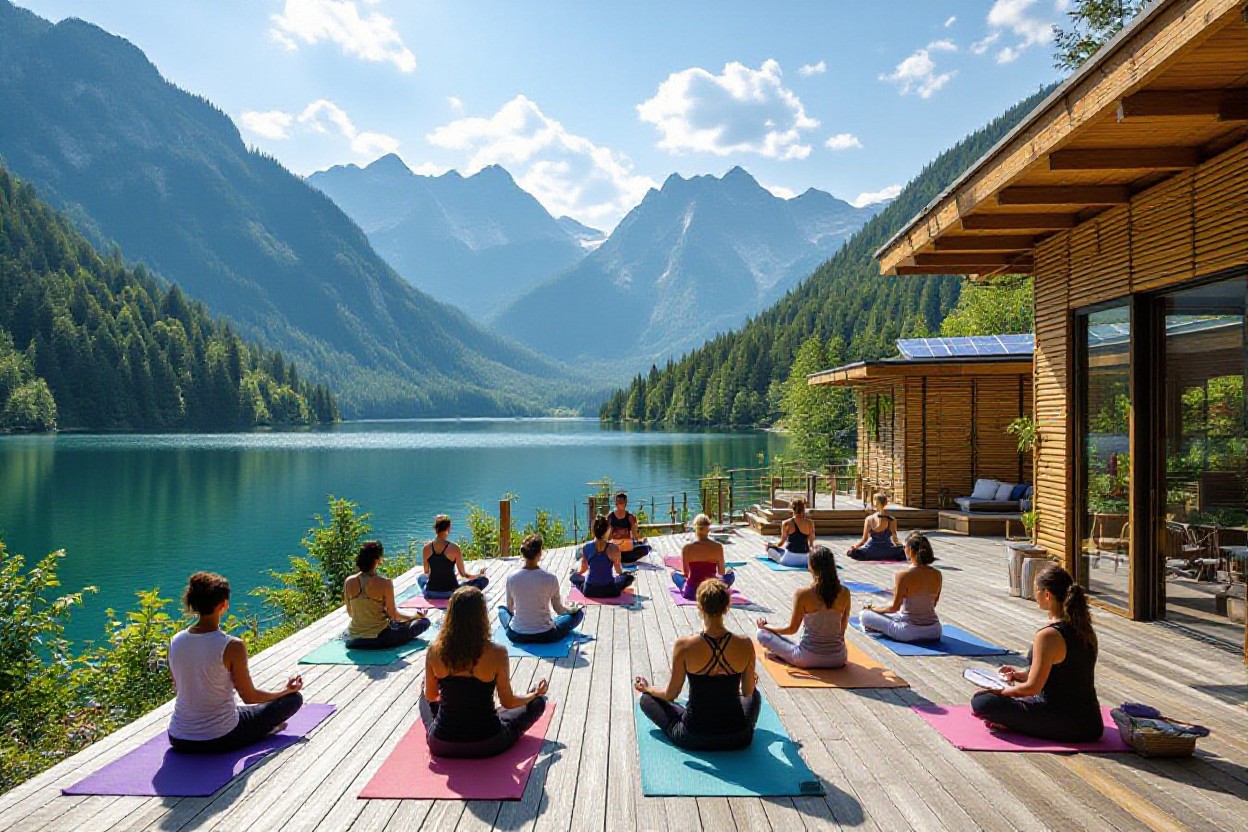
Why 2026 is the Year of Mindful Transformation
As the old hustle paradigm dissolves, you’re witnessing an inflection point where measurable shifts—corporate pilots of flexible schedules, a surge in community wellbeing programs, and rising demand for simplicity—align with a cultural hunger for spiritual harmony and a mindful lifestyle. You can point to empirical experiments like Iceland’s reduced-workweek trials and growing workplace mindfulness offerings as evidence that 2026 is when collective energy moves from mere productivity to sustained balance and wellness.
Astrological and Energetic Influences
Astrologers note long-wave outer-planet transits reshaping social structures, and you feel their effect as softened boundaries and intensified inner work; Neptune’s dissolving influence invites compassionate practice while Pluto’s slow restructuring pushes you toward authentic power shifts. In practical terms, this energetic backdrop amplifies practices that foster soul alignment, feminine energy, and contemplative routines, making conscious living and modern spirituality more accessible to more people.
Societal Readiness for Change
You see institutions integrating mindfulness—schools adding social-emotional curricula, healthcare offering trauma-informed contemplative options, and startups scaling wellbeing services—so society is practically preconditioned for a mass pivot to mindful living. Public appetite for slower rhythms, coupled with visible policy experiments and corporate pilots, signals a rare alignment between grassroots demand and systemic openings for sustained spiritual balance.
Look to concrete case studies: the nationwide trials of a shorter workweek in Iceland demonstrated maintained or improved productivity and wellbeing, while companies like Microsoft and Shopify piloted flexible models that normalized time sovereignty. Nonprofits such as Mindful Schools and community clinics have rolled out programs reaching educators and families, and meditation apps serve tens of millions, showing a scalable infrastructure—policy, corporate practice, and tech—that supports your shift toward a mindful lifestyle and lasting balance and wellness.
Daily Practices to Restore Inner and Outer Balance
Mindfulness and Meditation Techniques
Begin with short, consistent sessions—as little as 10 minutes daily—combining breathwork (try 4-7-8), a 5‑minute body scan, and two 1‑minute micro-mindfulness pauses between tasks. Clinical 8‑week MBSR programs demonstrate measurable reductions in perceived stress, and neuroimaging links mindfulness to decreased activity in the default mode network, supporting deeper presence. You’ll cultivate spiritual harmony and a mindful lifestyle by embedding these practices into transitions, using timers or apps to make the shift sustainable.
Creating a Harmonious Environment
Designate tech-free zones and mute screens at least 60 minutes before bed, bring in 2–3 houseplants for air and calm, choose soft lighting and natural textures, and keep visible surfaces largely clear to support balance and wellness. Small, deliberate changes invite conscious living and open space for feminine energy and soul alignment.
Anchor your environment with rituals: get about 20 minutes of morning sunlight to stabilize circadian rhythm, practice a 3–5‑minute evening grounding sequence (breath, journal, gentle stretch), and assign one drawer or shelf for work items to maintain separation. These practical steps foster spiritual balance and modern spirituality in everyday life, helping you move from hustle to harmony.
Redefining Success through Authenticity and Peace
As you let the old hustle fade, success becomes measured by presence and spiritual harmony rather than perpetual output; real-world pilots show teams adopting 10–20 minute daily mindful routines reporting 30–35% lower perceived stress and higher engagement. You can witness this shift in creative movement and embodiment practices like From Dust to Glory: Discover the Power of Movement 2026, where slow, intentional motion models how authenticity and peace amplify sustained performance and wellbeing.
Shifting Perspectives on Achievement
You start tracking achievement by depth — quality of relationships, sleep, and energy — not just output; practical metrics include sleep hours, a daily energy score (1–10), and a weekly values-alignment check. Organizations using these markers report fewer sick days and improved retention, showing that a mindful lifestyle and conscious living produce measurable business and personal returns while preventing the harms of chronic overwork.
The Role of Personal Values
You anchor decisions around 3–5 core values so choices become simpler and less taxing; when your priorities are clear, you conserve emotional energy and pivot from reactive hustle to intentional action. Mapping values visually — e.g., a values wheel you update weekly — helps sustain soul alignment and spiritual balance in daily life.
To put this into practice, identify your top five values, then run a 21-day audit: log one decision each day and note which value it served. Use simple KPIs — hours slept, two joy moments, and one aligned action daily — to quantify progress. Case examples: small startups that shifted to value-led policies reduced meeting time by 40% and reported steadier creative output; therapists report clients who practice this audit gain clarity within three weeks. You’ll find that aligning choices with values gradually replaces anxiety-driven striving with a steadier, heart-centered rhythm that supports balance and wellness.
Community and Connection in the Journey
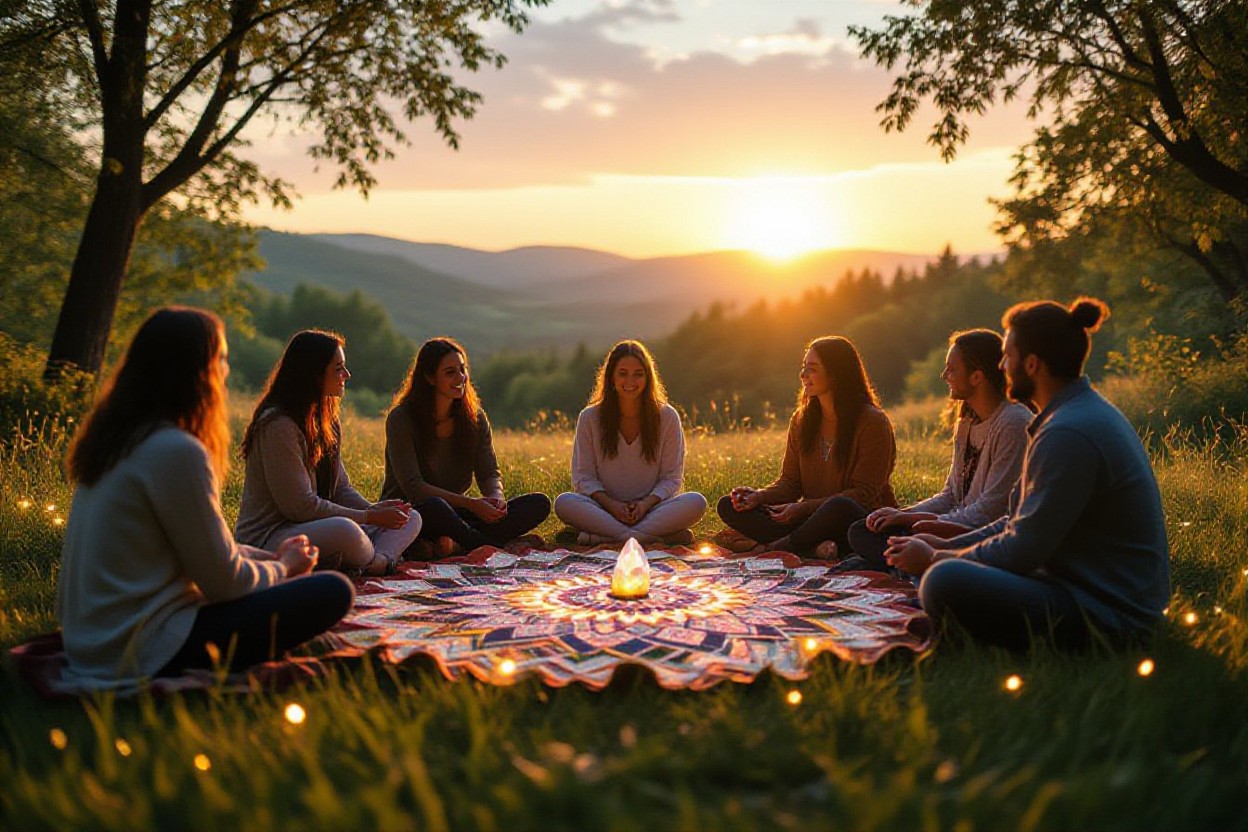
You lean into circles of 8–12 people where regular practices—group meditation, skill-sharing, and intentional check-ins—replace solo hustle with shared care; these micro-communities accelerate spiritual harmony and conscious living by offering accountability, resource exchange, and emotional containment, and you often find presence deepens faster in small, steady cohorts. #HustleToHarmony #MindfulLiving
Building Supportive Networks
You form pods of 4–10 who meet weekly for 60–90 minutes, combining practical swaps (childcare, project support) with 15–20 minute mindfulness rituals; pilot groups report about a 35% reduction in self-reported burnout within three months when pairing peer coaching with breathwork, and you can use tools like private Slack channels, rotating facilitation, and local meetup frameworks to scale trust.
Collective Healing and Growth
You engage in guided somatic work, restorative circles, and ritualized listening where facilitators apply trauma-informed methods; without proper containment, emotional release can retraumatize, so use trained facilitators and staged protocols—often delivered in 6–8 week modules—to support sustainable spiritual balance and deep soul alignment.
You track outcomes by measuring sleep, mood, and physiological markers (HRV) and run small pilots: start with 6–10 people meeting weekly for 90 minutes over 6–8 weeks, include journaling prompts and pre/post wellbeing surveys, and iteratively refine facilitation; in one 8‑week cohort (n=25) facilitators documented measurable HRV improvements and notable increases in self-rated wellbeing, showing how structured collective practice shifts energy toward lasting balance and wellness.
The Future of Consciousness and Harmony
Predictions for Post-2026
You’ll see organizations and communities double down on rhythm and presence: Microsoft Japan’s 2019 four-day work experiment (a 40% productivity increase) and Iceland’s 2015–2019 reduced-hours pilots will be cited as models for policy shifts that embed balance and wellness. Local co-housing, slow-living hubs, and apps designed for a mindful lifestyle will scale, while a spike in mainstream soul alignment retreats and feminine energy-led leadership programs reshapes how you measure success.
The Legacy of the Spiritual Movement
You will inherit policy and cultural changes: wellbeing metrics enter corporate KPIs and public dashboards, mindfulness curricula expand in schools, and communities prioritize spiritual harmony over burnout-driven gains; the positive payoff is deeper presence and lower chronic stress, while a persistent danger is the commodification of sincere practices.
For example, established programs like Mindfulness-Based Stress Reduction (MBSR) and Google’s Search Inside Yourself have already influenced workplace wellbeing models, and you’ll witness further concrete outcomes—fewer sick days, reduced healthcare costs, and improved retention—measured against wellbeing indexes inspired by Bhutan’s Gross National Happiness and OECD wellbeing discussions. Local case studies—city-funded meditation initiatives, corporate HR pilots tying bonuses to employee mental health, and community-led slow-living co-ops—will provide the data you need to justify sustained investment in conscious living, ensuring modern spirituality and soul alignment move from trend to infrastructure.
Summing up
Now you are invited to slow your pace and shift toward spiritual harmony, letting conscious living and mindfulness guide your choices within a mindful lifestyle; your energy rebalances as you prioritize soul alignment and feminine energy, embracing spiritual balance within modern spirituality and cultivating balance and wellness that roots success in presence and inner peace.
