


I remember the day I first learned about natural healing techniques. It changed how I think about health and wellness. I moved from just treating symptoms to caring for my whole self.
Holistic wellness approaches look at the connection between our physical, mental, emotional, and spiritual health. This idea has become more popular as people see its value.
By using these practices, we can live a more balanced life. Holistic healing methods help us improve our overall quality of life.
Key Takeaways
- Holistic wellness includes physical, mental, emotional, and spiritual health.
- Natural healing techniques offer a complete way to improve well-being.
- Adopting holistic practices can lead to a more balanced lifestyle.
- Holistic healing methods focus on treating the whole person, not just symptoms.
- Embracing holistic wellness can enhance overall quality of life.
Understanding Holistic Healing Methods
Holistic healing treats the whole person, not just symptoms. It believes all parts of a person – physical, emotional, and spiritual – are connected.
What Is Holistic Healing?
Holistic healing looks at health as a balance of body, mind, and spirit. It sees how lifestyle, environment, and beliefs affect well-being. Dr. Andrew Weil, a leader in integrative medicine, said,
“The goal of integrative medicine is to treat the whole person – body, mind, and spirit – and to do so in a way that is both effective and safe.”
This method is different from traditional medicine, which focuses on symptoms. Holistic healing aims to find and fix the illness’s root cause. It uses integrative health practices and holistic health remedies to improve overall wellness.
Key Principles of Holistic Healing
The main ideas of holistic healing are about health being complete well-being. Key principles include:
- Treating the whole person, not just symptoms
- Focusing on prevention as much as treatment
- Using natural and alternative medicine approaches whenever possible
- Encouraging the body’s innate healing abilities
- Considering the spiritual dimension of health
By following these principles, people can take a more active role in their health. They can use a variety of holistic health remedies and practices every day.
The Benefits of Holistic Healing
Exploring holistic healing opens up a world of benefits that can change your life. It’s a complete way to look at health, touching on physical, emotional, and spiritual well-being.
Physical Health Advantages
Mind-body healing therapies can greatly improve your physical health. They help lower stress and anxiety, which can lead to better blood pressure, sleep, and immune function. For example, meditation and yoga can help your body heal faster, making you healthier overall.
Also, holistic wellness approaches focus on preventing illness, not just treating it. By living a healthy lifestyle and being mindful of your body, you can avoid getting sick and stay in top physical shape.
Emotional and Mental Health Benefits
Holistic healing also boosts your emotional and mental health. Energy healing modalities can balance your emotions, reducing anxiety and depression. These practices help you relax and think more clearly, improving your overall mood.
It also helps you connect your mind and body better. This way, you can handle your emotions better and have a more positive outlook on life.
Enhancing Spiritual Well-being
Holistic healing also benefits your spiritual health. It helps you feel connected to yourself, others, and the world. Through meditation and mindfulness, you can grow spiritually, leading to inner peace and happiness.
As you dive into holistic healing, you’ll see it’s more than just physical health. It’s a way to improve your whole life, leading to a better quality of living.
Popular Holistic Healing Techniques
Exploring holistic healing, we find many methods for different needs. It’s not a one-size-fits-all approach. Instead, it’s a journey with traditional healing methods and natural healing techniques.
Some holistic practices are very popular and effective. Let’s look at a few to see their benefits and how they help with wellness.
Acupuncture
Acupuncture is an ancient method. It uses fine needles in specific body points to help heal. It’s based on traditional Chinese medicine, aiming to balance the body’s energy, or “qi.”
By targeting certain points, practitioners can help with many health issues. These include chronic pain, stress, and anxiety.

Aromatherapy
Aromatherapy uses essential oils from plants for health and well-being. These oils can be inhaled, applied, or used in other ways. Each oil has its own benefits.
Lavender oil calms, while peppermint oil invigorates. Aromatherapy is a flexible holistic healing method for daily life.
Reiki
Reiki is a form of energy healing. It involves transferring energy from the practitioner’s hands to the client. This helps with relaxation, balance, and well-being.
It’s based on the idea that our bodies have an energy field. Reiki can be used with other holistic practices to improve their effects. It helps promote deep relaxation and healing.
These natural healing techniques show the wide range of holistic healing. By trying these practices, people can take charge of their health. This leads to a more balanced and fulfilling life.
Nutritional Approaches in Holistic Healing
Holistic healing is more than just treating the mind or spirit. It also focuses on what we eat. A balanced diet is key to feeling well.
The Role of Whole Foods
Whole foods like fruits, veggies, grains, and lean proteins are vital. They give our bodies the nutrients needed to heal and feel new. Eating a variety of whole foods helps our bodies heal naturally.
Nutritional Benefits: These foods are full of vitamins, minerals, and antioxidants. They fight inflammation and stress, which can cause many health problems.
Herbal Remedies
Herbs have been used for centuries in holistic healing. Turmeric, ginger, ginseng, and echinacea are just a few examples. They offer a natural way to boost health.
“The use of herbs for medicinal purposes dates back thousands of years, with many modern medicines having their roots in herbal remedies.”
Herbal teas, tinctures, and supplements can help with stress, sleep, and immune function. They are a natural way to support health.
Supplements and Their Benefits
While whole foods are best, supplements can help too. They fill in nutritional gaps and support specific health needs.
It’s important to talk to a healthcare professional before taking supplements. This ensures they fit with your health goals and don’t harm your medications.
The right supplement can boost energy, improve focus, and enhance overall well-being.
Mindfulness and Meditation in Holistic Healing
In the journey towards holistic healing, adding mindfulness and meditation can change your life. These practices help lower stress, clear your mind, and build emotional strength.
Introduction to Mindfulness Practices
Mindfulness means being fully in the moment and aware of your thoughts and feelings. You can do it with simple things like eating or breathing.
Adding mindfulness to your day can make you feel less stressed and happier overall.
Types of Meditation
Meditation comes in many forms, each with its own benefits. Here are a few popular ones:
- Mindfulness Meditation: Focuses on the present moment, often through the observation of breath or body sensations.
- Loving-Kindness Meditation: Cultivates feelings of love, compassion, and kindness towards oneself and others.
- Transcendental Meditation: Uses a mantra to quiet the mind and access a deeper state of consciousness.
How to Get Started
Starting mindfulness and meditation is easy. Here’s how to start:
| Step | Description | Tips |
|---|---|---|
| 1 | Find a quiet space | Identify a quiet, comfortable spot where you can sit and meditate without distractions. |
| 2 | Choose a meditation technique | Select a technique that resonates with you, such as focusing on your breath or using a guided meditation. |
| 3 | Start small | Begin with short sessions, such as 5-10 minutes, and gradually increase the duration as you become more comfortable with the practice. |
By following these steps and adding mindfulness and meditation to your day, you can see big changes. These mind-body healing therapies and holistic wellness approaches can greatly improve your life.
Integrating Exercise into Holistic Healing
Adding physical activity to your daily life is key in holistic healing. Exercise boosts physical health, mental well-being, and energy. Movement is vital for balance and health.
Gentle Exercise Methods
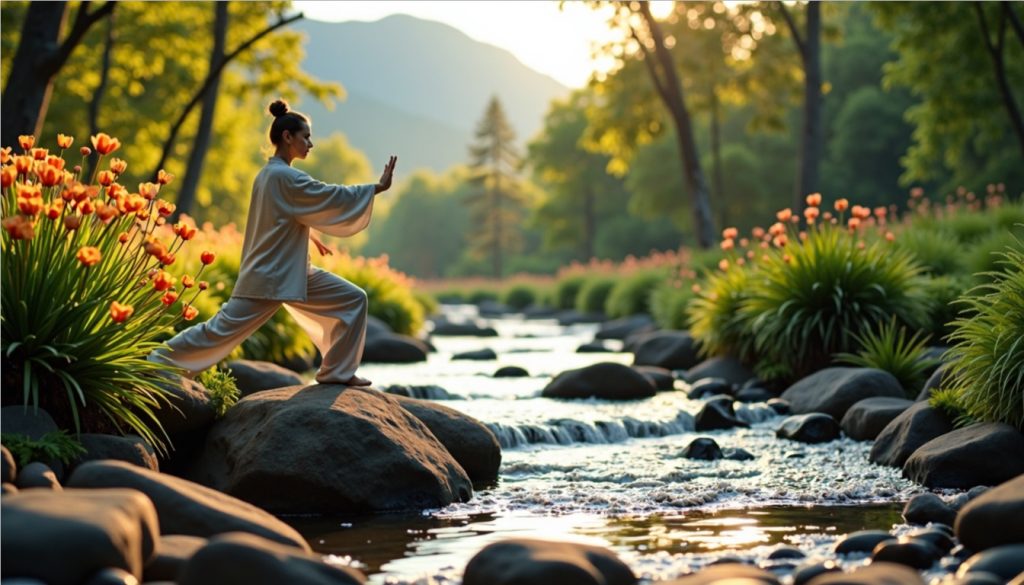
Gentle exercises are great for beginners or those with health issues. Yoga and tai chi are perfect. They improve flexibility, strength, and reduce stress. They’re low-impact and easy for many to do.
Walking, swimming, and cycling are also good. They’re low-impact and improve heart health. They’re perfect for a holistic health approach.
The Importance of Movement
Movement keeps you physically healthy, a core part of holistic healing. Regular exercise prevents diseases, boosts mental health, and increases energy. It’s about feeling good and being healthy inside and out.
Exercise also helps your mental health. It releases endorphins, which make you feel better. This can lower anxiety and depression, improving your mental state.
Finding Your Exercise Style
Finding an exercise you enjoy is key. It could be dancing, hiking, or Pilates. The goal is to feel good and look forward to it. This makes exercise a positive part of your life.
Try different exercises to find what suits you best. Mixing up your routine keeps things interesting and prevents boredom. This keeps you motivated on your holistic healing path.
The Power of Nature in Healing
Nature is a calm and powerful healer in our busy lives. Spending time outside can greatly improve our health. It offers many holistic wellness approaches we can use every day.
Nature’s healing is wide-ranging. From the calm of a forest walk to the joy of gardening, these natural healing techniques help us relax and feel better overall.
Ecotherapy and Nature Walks
Ecotherapy, or nature therapy, uses nature to boost our health. Nature walks are a simple way to do this. They help lower stress, improve mood, and even blood pressure.
Research shows nature walks can help with anxiety and depression. Being in nature also boosts our focus and creativity.
Gardening as a Form of Healing
Gardening is a strong natural healing technique with many benefits. It connects us with nature and gives us a sense of achievement.
Gardening is good for our body and mind. It reduces stress, lifts our mood, and helps with depression. Plus, it can bring people together.
| Nature Activity | Physical Benefits | Mental/Emotional Benefits |
|---|---|---|
| Nature Walks | Improved cardiovascular health, reduced blood pressure | Reduced stress, improved mood, enhanced cognitive function |
| Gardening | Improved dexterity, increased physical activity | Reduced symptoms of depression, improved self-esteem, sense of accomplishment |
| Ecotherapy | Lower cortisol levels, improved immune function | Reduced anxiety, improved mental clarity, enhanced well-being |
By adding these energy healing modalities and natural activities to our lives, we can use nature’s power to better our health and happiness.
Understanding Energy Healing
Exploring energy healing shows us many practices that can greatly improve our health. It’s clear that energy healing is more than one method. It’s a group of ways to balance the body’s energy.
Energy healing works on the idea that our bodies have an energy system. This system can be changed to help us heal and feel better. It comes from old healing practices and has grown to include many new techniques.
What Is Energy Healing?
Energy healing includes many practices to balance the body’s energy. It’s based on the idea that our bodies have an energy field. This field can be changed to help us heal and feel better.
Key Benefits of Energy Healing
- Promotes relaxation and reduces stress
- Enhances the body’s natural healing processes
- Supports emotional and mental well-being
- Can be used alongside conventional medical treatments
Different Forms of Energy Healing
There are many types of energy healing, each with its own methods and ideas. Some well-known ones include:
| Modality | Description | Benefits |
|---|---|---|
| Reiki | A Japanese technique that involves the transfer of energy through the hands. | Promotes relaxation, reduces pain, and enhances well-being. |
| Healing Touch | A modern energy-based healing modality that involves gentle, non-invasive techniques. | Supports the body’s natural healing processes, reduces stress, and promotes relaxation. |
| Qigong | A traditional Chinese practice that combines movement, breathing, and meditation to cultivate and balance the body’s energy. | Enhances vitality, reduces stress, and promotes overall well-being. |
Dr. Daniel J. Benor, a leading researcher in energy healing, says, “Energy healing can be a powerful addition to medical treatments. It helps the body heal naturally and improves overall well-being.”
“The art of healing comes from caring for the soul, and the science of healing comes from understanding the body. Energy healing bridges both, giving a holistic approach to health.”
Energy healing offers many ways to improve health and well-being. By learning about the different methods, people can make better choices for their health. They can add these practices to their holistic healing journey.
Holistic Healing for Chronic Illness
Holistic healing focuses on the whole person – body, mind, and spirit. It’s a great addition to traditional treatments for chronic illness. By using holistic health remedies and integrative health practices, people can feel better and live better lives.
Addressing Pain Management
Many chronic illnesses cause chronic pain. Holistic methods like acupuncture, massage, and meditation can help manage pain. These practices not only lessen pain but also boost the body’s healing.
Acupuncture, for example, can reduce pain by releasing natural painkillers. Mindfulness meditation teaches people to stay in the moment and lower stress, helping them cope with pain.
| Holistic Practice | Benefit for Pain Management |
|---|---|
| Acupuncture | Stimulates natural painkillers, reduces pain |
| Massage Therapy | Relaxes muscles, improves circulation, reduces pain |
| Mindfulness Meditation | Teaches coping mechanisms, reduces stress, manages pain perception |
Supporting Mental Health
Chronic illness can affect mental health, causing anxiety, depression, and feelings of isolation. Integrative health practices like CBT, yoga, and support groups offer emotional support and help manage these issues.
CBT helps change negative thought patterns that harm mental health. Yoga combines physical activity with mindfulness, reducing stress and improving mood.
Community Support and Resources
Community support is key for those with chronic illness. Connecting with others who understand can offer comfort and advice. Support groups, online or in-person, provide a space to share and find solidarity.
There are many resources for holistic approaches to chronic illness. Online forums and local wellness centers offer information and support to enhance traditional treatments.
Finding Holistic Practitioners
Finding a holistic practitioner who fits you is key for a good healing experience. Exploring holistic healing methods and alternative medicine is important. The right practitioner can greatly impact your wellness journey.
When looking for a holistic practitioner, consider several factors. This ensures you find someone qualified and a good match for you.
How to Choose the Right Practitioner
Choosing the right practitioner is more than just looking at their credentials. Here are some important things to think about:
- Check their qualifications and experience in holistic healing methods.
- Read reviews and ask for referrals from people you trust.
- See if their healing approach matches what you’re looking for.
- Pay attention to how they communicate during your first meeting.
Dr. Andrew Weil, a big name in integrative medicine, says, “The most important thing is to find a practitioner who is not only knowledgeable but also someone you feel comfortable with.”
“The art of healing comes from caring for the patient, not just the disease.”
What to Expect in Your First Session
Your first session with a holistic practitioner is important. Here’s what you can usually expect:
| Aspect | Description |
|---|---|
| Initial Consultation | A discussion about your health history, concerns, and goals. |
| Assessment Techniques | The practitioner may use various methods to assess your condition, such as pulse diagnosis or iridology. |
| Treatment Plan | A personalized plan will be developed, which may include alternative medicine techniques, lifestyle changes, or nutritional advice. |
Be open about your health and any concerns during your first session. This helps the practitioner create a plan that fits your needs.
Understanding how to choose the right practitioner and what to expect in your first session helps you start your holistic healing journey with confidence.
Holistic Healing at Home
Exploring holistic wellness can make you wonder how to use these natural methods at home. It’s easier than you think to support your well-being with holistic healing at home.
Creating a Healing Environment
Begin by making your home a peaceful place. You can declutter, add plants, or use aromatherapy. A calm space helps me relax and focus on mindfulness and meditation.
Simple Practices for Daily Wellness
Adding simple practices like deep breathing, yoga, or journaling can boost your wellness. These methods help lower stress and bring calmness into your life.
DIY Remedies You Can Try
Try making your own remedies at home, like herbal teas, salves, or essential oil blends. For example, a warm Epsom salt bath can be very relaxing. Experiment to find what works best for you and supports your holistic wellness.
