


I remember the day I realized my fast-paced life was harming my health. It was a wake-up call that made me look into holistic wellness practices. I wanted to find a better way to live. Did you know research shows people who live holistically are happier and more satisfied with life?
Exploring further, I learned that holistic lifestyle choices are about caring for the body, mind, and spirit. By using wellness strategies that cover all health areas, we can live in harmony and balance.
Key Takeaways
- Adopting holistic wellness practices can lead to better overall health and life satisfaction.
- Holistic lifestyle choices involve nurturing the mind, body, and spirit.
- Focusing on wellness strategies that address all aspects of health is key.
- A balanced life is achievable through holistic approaches to health.
- Embracing holistic wellness can lead to a more fulfilling life.
What Are Holistic Wellness Practices?
The idea of holistic wellness is about caring for the whole person. This means looking after our body, mind, and spirit. It shows that our health is linked to many things, like how we feel physically, mentally, and emotionally.
Defining Holistic Wellness
Holistic wellness practices include many ways to help us find balance. They believe health is more than just not being sick. It’s about feeling fully well in body, mind, and spirit.
These practices help us see how everything is connected. They encourage us to take charge of our health. This might mean eating right, managing stress, and staying positive.
Importance of Holistic Approaches
Using holistic approaches to health can really change our lives. They help us find the real reasons for illness, not just treat symptoms. This way, we can enjoy better health for a longer time.
Also, holistic wellness is about more than just what we do. It’s about living a healthy life, having good relationships, and feeling fulfilled. When we do this, we feel truly happy and satisfied with life.
The Mind-Body Connection
Understanding the mind-body connection is key to overall wellness. It shows how our mental state affects our physical health. This connection is vital for a better quality of life.
Understanding Mental and Physical Health
The link between mental and physical health is complex. Studies show stress, anxiety, or depression can lead to physical problems like heart disease. On the other hand, long-term physical issues can harm our mental health.
Mind-body healing techniques help address this connection. Mindfulness, meditation, and yoga improve both mental and physical health.
Techniques to Enhance the Mind-Body Link
Several methods can strengthen the mind-body connection. These include:
- Meditation and mindfulness to lower stress and clear the mind
- Yoga and movement therapies for better physical and mental health
- Deep breathing to calm both the mind and body
Adding these holistic wellness practices to our daily lives can improve our health. It leads to a stronger mind-body connection.
| Technique | Mental Health Benefits | Physical Health Benefits |
|---|---|---|
| Meditation | Reduces stress and anxiety | Lowers blood pressure |
| Yoga | Improves mood and mental clarity | Enhances flexibility and strength |
| Deep Breathing | Calms the mind | Improves respiratory function |
By understanding and using the mind-body connection, we can improve our health. This approach leads to a more balanced and fulfilling life.
Popular Holistic Wellness Practices
Wellness is a personal journey. Many people choose holistic practices to care for their body and mind. These practices help improve overall health and well-being.
Meditation and Mindfulness
Meditation and mindfulness are key to holistic wellness. Meditation helps you focus and find calm. Mindfulness is about living in the moment, without judgment.
These methods can lower stress, clear your mind, and boost your mood. Start with simple exercises like deep breathing or guided meditations.
Yoga and Movement Therapies
Yoga combines poses, breathing, and meditation for health. It’s not just for flexibility; it balances the body’s energy.
Other therapies like tai chi and qigong also offer benefits. They mix slow movements with deep breathing for better physical and mental health.
Aromatherapy and Essential Oils
Aromatherapy uses essential oils from plants for health. You can inhale, apply, or use them in baths.
Essential oils have different benefits. Lavender oil calms, while peppermint oil boosts energy. Each oil has its own uses.
Nutrition and Holistic Wellness
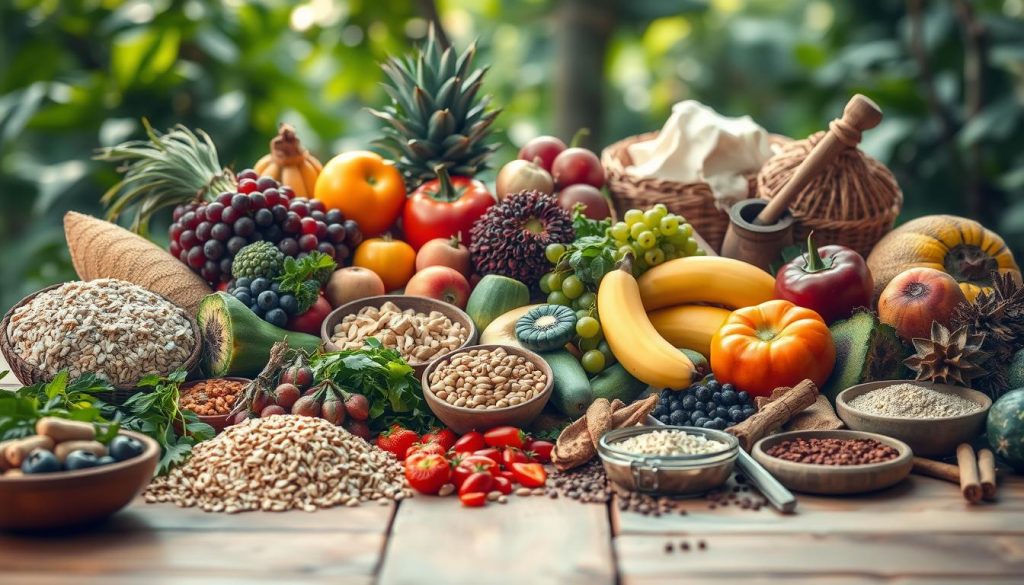
Nutrition is key to holistic wellness, affecting both body and mind. It shows that eating right is essential for feeling good. A balanced diet is the base of good health.
Whole Foods: The Foundation of a Balanced Diet
Whole foods like fruits, veggies, grains, and proteins are packed with nutrients. They help our bodies work right and keep us healthy. Eating a variety of these foods ensures we get all the nutrients we need.
Nutritional Benefits of Whole Foods:
- Rich in vitamins and minerals
- High in fiber, supporting digestive health
- Antioxidant properties help protect against disease
Benefits of Organic Eating
Organic foods are better for you because they have fewer chemicals. Organic farming is also better for the planet. It’s a win-win for you and the environment.
The advantages of organic eating include:
- Lower risk of pesticide exposure
- Potential for higher nutrient content in some produce
- Support for sustainable agriculture
| Food Type | Conventional | Organic |
|---|---|---|
| Fruits | May contain pesticide residues | Lower pesticide residues |
| Vegetables | Variable nutrient content | Potentially higher nutrient content |
| Grains | Often contain GMOs | GMO-free |
Supplements and Herbals: Complementary Nutrition
While whole foods are best, supplements and herbal remedies can help too. But, use them carefully and talk to a doctor first.
Considerations for Supplements and Herbals:
- Quality and purity can vary significantly between brands
- Potential interactions with medications or other health conditions
- Regulation varies; not all products are tested for safety and efficacy
Emotional Well-Being and Holistic Strategies
Understanding and nurturing our emotional health is key for a balanced life. Emotional well-being is more than just feeling good. It’s about being strong, positive, and able to handle life’s ups and downs.
Recognizing Emotional Health
Knowing our emotional state is the first step to making changes. It means being aware of our feelings, knowing what makes us feel certain ways, and seeing how we react to things. By paying attention to our emotions, we can spot areas that need more care.
Practices to Foster Positivity
Building positivity is a great way to boost our emotional health. We can do this by gratitude journaling, writing down things we’re thankful for each day. Doing things that make us happy, practicing mindfulness, and being around positive people also help.
Journaling and Reflection Techniques
Journaling and reflection are powerful for healing and growing emotionally. Writing down our thoughts and feelings helps us understand our experiences better. Techniques like stream-of-consciousness writing or reflective journaling offer insights into our emotional state and help us see where we can improve.
By adding these holistic strategies to our daily lives, we can build a more positive and resilient emotional state. This leads to overall wellness.
Integrative Health in Holistic Practices
Integrative health is changing how we view wellness. It mixes traditional and alternative care. This shows that integrative health is a better way to reach overall wellness.
Combining Traditional and Alternative Care
Integrative health combines traditional medicine with alternative health methods. This mix helps people get the best of both worlds. For example, you might use regular medicine for a quick fix and alternative therapies like acupuncture for overall health.
This mix leads to a more holistic care. It looks at physical, emotional, and spiritual health. This can make health outcomes better and life more balanced.
Benefits of an Integrative Approach
Using an integrative approach to health has many benefits. It lets you get a treatment plan that fits you. For instance, some people find that alternative therapies help with stress or sleep, alongside regular medicine.
- Enhanced patient empowerment through education and self-care
- Improved health outcomes by addressing multiple aspects of well-being
- A more collaborative relationship between healthcare providers and patients
Also, this approach builds a supportive community. People share their experiences and learn from each other. This is key to holistic wellness practices, creating a sense of connection.
In summary, integrative health is a big step towards a more complete wellness understanding. By using both traditional and alternative care, people can take charge of their health. This leads to a more balanced and fulfilling life.
Physical Activity as a Holistic Practice
Physical activity is more than just exercise. It’s a way to care for your whole self. It helps keep your body and mind in balance.
Importance of Regular Exercise
Regular exercise is vital for holistic health tips. It boosts both your physical and mental health. Adding physical activity to your day can improve your heart health and clear your mind.
- Boosts mood and reduces stress
- Improves sleep quality
- Enhances physical strength and flexibility
- Supports weight management
Seeing physical activity as a wellness strategy can make your life more balanced. It’s not just about feeling good physically. It also connects your body and mind more deeply.
Choosing Activities That Resonate with You
When picking physical activities, choose what you love. Whether it’s yoga, hiking, dancing, or swimming, pick what makes you happy.
- Experiment with different types of exercise to find what you enjoy
- Consider group classes or workout buddies for motivation
- Schedule physical activity into your daily planner
- Start slow and gradually increase intensity and duration
Make physical activity a fun part of your life. This way, you get the benefits of a holistic wellness approach. The goal is to improve your overall well-being, not just follow a routine.
The Power of Nature in Wellness
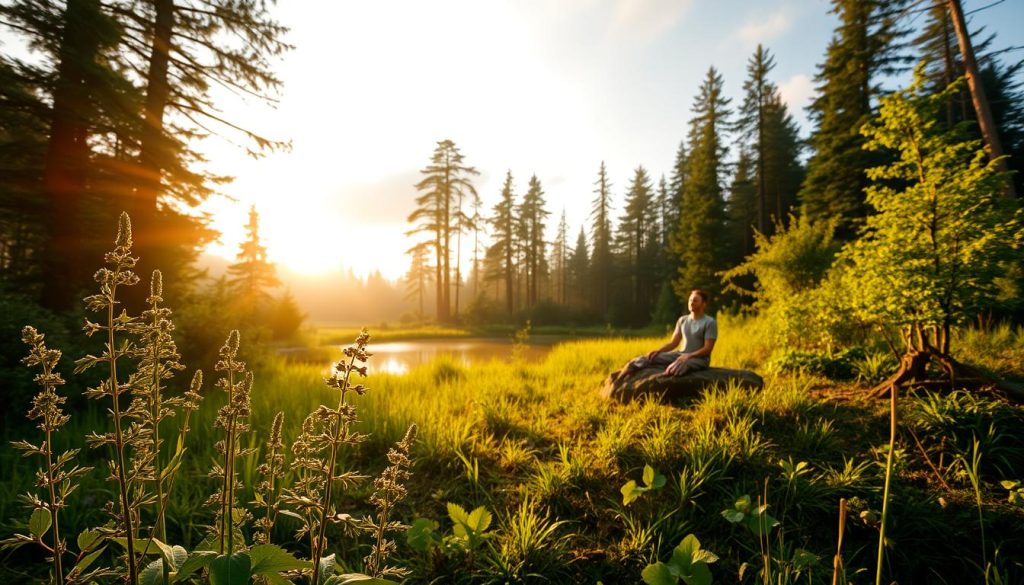
Reflecting on my wellness journey, I see nature’s constant healing role. The natural world offers holistic wellness practices that boost our health.
Benefits of Spending Time Outdoors
Being outdoors is more than a hobby; it’s a key wellness strategy. It can deeply affect our mental and physical health. Nature reduces stress, lifts our mood, and lowers blood pressure.
- Reduces stress and anxiety
- Improves mood and cognitive function
- Boosts immune system
Nature-Based Therapies
Nature-based therapies like forest bathing and outdoor meditation are gaining popularity. They use nature’s calming effects to heal and relax us.
| Nature-Based Therapy | Description | Benefits |
|---|---|---|
| Forest Bathing | Immersing oneself in the forest environment | Reduces stress, improves mood |
| Outdoor Meditation | Meditating in natural settings | Enhances mindfulness, reduces anxiety |
| Gardening Therapy | Engaging in gardening activities | Promotes relaxation, improves cognitive function |
By adding these wellness strategies to our lives, we tap into nature’s power. Whether it’s a simple walk or a nature-based therapy, the benefits are clear.
Alternative Therapies to Consider
Exploring holistic wellness means looking at alternative therapies. These can boost our mental, emotional, and physical health. They offer more ways to feel better.
These therapies vary and can be customized for each person. They aim to treat the whole person, not just symptoms.
Acupuncture and Acupressure
Acupuncture and acupressure come from traditional Chinese medicine. They stimulate body points to heal and balance. Acupuncture uses needles, while acupressure uses fingers or hands.
They help restore energy flow, or “qi,” in the body. This can ease issues like chronic pain, stress, and anxiety.
Reiki and Energy Healing
Reiki is a form of energy healing. It transfers energy from the practitioner’s hands to the client’s body. This is thought to relax, reduce stress, and aid in healing.
Reiki is great for those with emotional or spiritual issues. It balances and harmonizes the body’s energy.
| Therapy | Description | Benefits |
|---|---|---|
| Acupuncture | Traditional Chinese medicine technique using fine needles to stimulate body points | Relieves chronic pain, reduces stress and anxiety |
| Acupressure | Applies pressure to specific body points to restore energy flow | Enhances relaxation, alleviates symptoms of various health issues |
| Reiki | Energy healing technique involving the transfer of energy to promote relaxation and healing | Reduces stress, supports emotional and spiritual well-being |
Creating a Personalized Wellness Plan
To start a holistic wellness journey, you need a plan that fits your life and goals. First, understand your current health and set goals you can reach.
Assessing Your Current Health
Checking your current health is key to making a wellness plan. Look at your physical, emotional, and mental health. Start by keeping a health journal to track your habits, activity, sleep, and stress.
Key areas to assess include:
- Nutritional habits and dietary preferences
- Physical activity levels and preferred exercises
- Sleep quality and duration
- Stress management techniques
- Emotional and mental health status
Knowing these areas helps you find holistic wellness tips that are just for you.
Setting Realistic Wellness Goals
After checking your health, set goals that are clear and reachable. Goals should be specific, measurable, achievable, relevant, and time-bound (SMART). For example, aim to “incorporate 30 minutes of moderate exercise into your daily routine within the next three months.”
Effective wellness strategies often involve:
- Gradual changes to your lifestyle
- Incorporating activities that you enjoy
- Seeking support from healthcare professionals or wellness communities
By setting realistic goals and using wellness strategies, you can make lasting holistic lifestyle choices that improve your well-being.
Community and Social Connections
As we explore holistic wellness, we see how vital community and social connections are. You might ask how these ties affect our well-being. Let’s look into why building relationships and connecting with others is key.
The Importance of Relationships
Having strong social bonds is essential for our emotional and mental health. Meaningful relationships offer support, fight loneliness, and boost our sense of belonging. Studies show that those with strong social ties often have better health and live longer.
To build positive relationships, try these:
- Spend quality time with family and friends.
- Join clubs or volunteer to meet new people.
- Practice active listening and empathy to strengthen bonds.
Joining Wellness Groups or Classes
Being part of wellness groups or classes is a great way to meet people who share your holistic wellness practices interests. These communities offer motivation, support, and a sense of belonging as you pursue your wellness goals.
Some great options include:
- Yoga or meditation classes.
- Wellness workshops or seminars.
- Online forums or social media groups focused on holistic health.
By joining a community that values what you do, you can improve your wellness strategies and stay on track. Remember, the journey to holistic wellness is better with friends by your side.
As you keep moving towards wellness, look for and nurture connections that bring joy and support. Doing so will not only boost your well-being but also help those around you.
Resources for Holistic Wellness
As you journey towards a healthier life, you’ll want to find more holistic wellness resources. Having the right information and support can greatly help your progress.
Educational Materials
For a deeper understanding of alternative health, there are many great books and online courses. Books cover natural healing, and platforms like Coursera and Udemy offer holistic wellness courses.
Local Support
Connecting with local holistic health practitioners is also very helpful. They offer personalized guidance as you add holistic practices to your life. Search online or visit local wellness centers to find practitioners in your area.
FAQ
What is holistic wellness, and how does it differ from traditional approaches to health?
Holistic wellness looks at the whole person – body, mind, and spirit. It’s different from old ways of health care. It focuses on balance and harmony in life, not just treating symptoms.
How can I start incorporating holistic wellness practices into my daily life?
Start with small steps. Try mindfulness, eat whole foods, or do fun physical activities. You might also try acupuncture or Reiki. A holistic health expert can help make a plan just for you.
What is the mind-body connection, and how can I strengthen it?
The mind-body connection is the link between your mental and physical health. To strengthen it, try meditation, yoga, or deep breathing. These can lower stress and improve your well-being.
How does nutrition play a role in holistic wellness?
Nutrition is key in holistic wellness. What you eat can help or harm your body. Eating whole, organic foods is best. Avoiding processed and sugary foods can also help your health.
What are some popular holistic wellness practices, and how can they benefit me?
Practices like meditation, yoga, aromatherapy, and energy healing are popular. They can help you relax, reduce stress, and improve your overall health. They address your physical, emotional, and spiritual needs.
How can I create a personalized wellness plan that meets my unique needs?
First, check your current health and what you want to improve. Then, set achievable goals. Try different wellness practices to see what works for you. A holistic health expert can help make a plan just for you.
What is the importance of community and social connections in holistic wellness?
Community and social connections are important. They offer support, guidance, and a sense of belonging. Joining wellness groups or classes can help you meet others and improve your well-being.
Are there any resources available to help me learn more about holistic wellness?
Yes, there are many resources. You can find books, online courses, and local experts. Wellness communities and forums online are also great for connecting with others.
How can I balance traditional and alternative care in my wellness plan?
To balance traditional and alternative care, be open to different methods. Work with a healthcare provider who knows about integrative health. Try alternative therapies that fit with your traditional care.
What role does physical activity play in holistic wellness, and how can I choose activities that resonate with me?
Physical activity is vital for holistic wellness. It boosts health, reduces stress, and improves mood. Choose activities you enjoy, like walking, yoga, or dancing. Make them part of your daily routine.
