


I remember my first time with ayahuasca, a spiritual plant medicine used for centuries. It started a journey into ancient rituals and their healing power today.
Spiritual plant medicine is key in many cultures. It helps us connect deeply with nature. In today’s world, these old practices are being seen as healing tools, helping us grow and heal.
Key Takeaways
- Understanding the historical context of spiritual plant medicine.
- Exploring the role of ayahuasca in spiritual healing.
- The significance of these practices in modern times.
- How spiritual plant medicine can facilitate personal growth.
- The therapeutic benefits of these ancient rituals.
Understanding Spiritual Plant Medicine
Spiritual plant medicine, which includes sacred plants and consciousness, is key in shamanic practices. It has been important for centuries. We need to understand its history and importance.
Definition and History
Spiritual plant medicine uses plants for spiritual growth, healing, and self-awareness. These plants are sacred in many cultures. For example, Ayahuasca, a plant-based brew, is used in Amazonian shamanic rituals for spiritual awakening and healing.
Cultural Significance
The cultural importance of spiritual plant medicine is huge. In many indigenous cultures, these plants are seen as having spiritual power. They help communicate with the divine or spirit world. Shamans use these plants in healing rituals to treat physical and spiritual ailments.
Modern Applications
In today’s world, spiritual plant medicine is becoming more popular. People worldwide are looking for its benefits for personal growth and healing. Retreats and ceremonies, like those in Peru with Ayahuasca, are becoming more common. These modern uses keep the traditional essence but also meet today’s needs, blending ancient wisdom with modern therapy.
Types of Spiritual Plant Medicines
Exploring spiritual plant medicines reveals a world of plants, each with unique benefits. These plants have been used for centuries, helping people heal and discover themselves.
Ayahuasca
Ayahuasca comes from the Amazon rainforest. It helps with deep thinking, emotional healing, and spiritual growth. It’s made from the Banisteriopsis caapi vine and Psychotria viridis leaf, which contain DMT.
Benefits of Ayahuasca:
- Deep introspection and self-awareness
- Emotional healing and release
- Spiritual growth and connection to nature
Psilocybin Mushrooms
Psilocybin mushrooms are gaining popularity. They help calm the mind and reduce stress and anxiety.
Benefits of Psilocybin Mushrooms:
- Reduced stress and anxiety
- Increased creativity and imagination
- Enhanced self-awareness and introspection
Microdosing psilocybin mushrooms is also popular. It offers a subtle, sustained experience of the medicine’s benefits.
Peyote
Peyote is a desert cactus with mescaline. It’s used in traditional healing, mainly by Native American communities.
Benefits of Peyote:
- Spiritual growth and connection to nature
- Emotional healing and release
- Enhanced self-awareness and introspection
Exploring these plant medicines highlights the need for integration after the experience. It’s about reflecting on the insights and feelings gained. Then, we incorporate them into our daily lives.
The Science Behind Plant Medicine
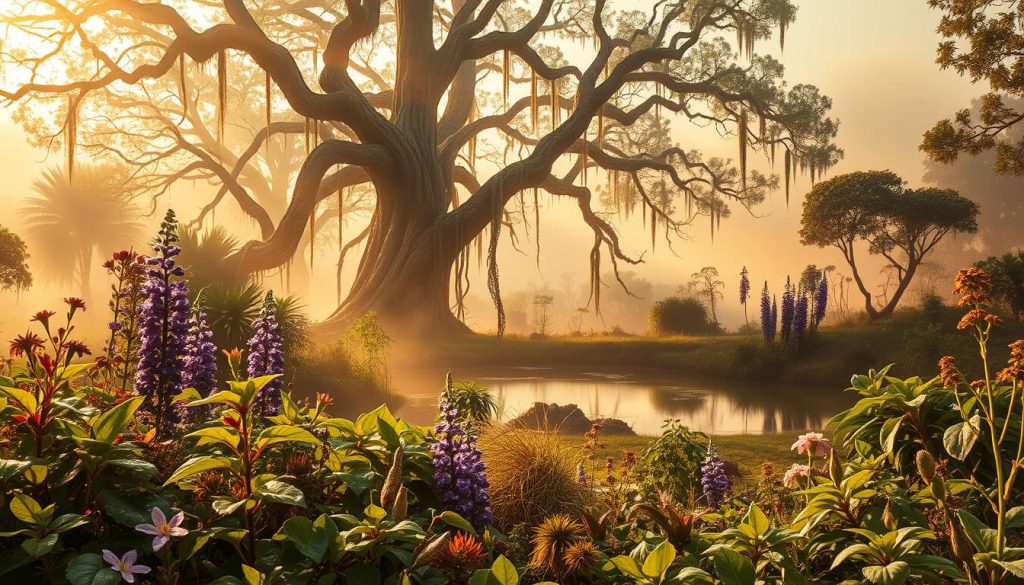
Exploring the science of plant medicine shows how these plants interact with our brains. It’s not just stories; it’s real chemistry at work. The effects of spiritual plant medicine are based on how plant compounds interact with our brains.
Active Compounds
Plant medicines have special compounds that make them work. Ayahuasca has DMT, which changes how we see and feel things. Psilocybin mushrooms have psilocybin, which turns into psilocin in our bodies and affects our brain’s serotonin receptors.
These compounds are like our brain’s own chemicals. They can change our consciousness deeply. Scientists are learning more about these compounds and their benefits.
How They Affect the Brain
Plant medicine compounds change how our brains work. DMT in Ayahuasca can cause vivid visions and sounds. Psilocybin can make us feel connected to everything.
Studies show these substances can link different brain parts. This might explain the deep insights and feelings of unity people experience. It’s a big deal for treating mental health issues.
Therapeutic Benefits
Plant medicines are being seen as helpful for many mental health issues. They can help with depression, anxiety, PTSD, and addiction. They can help people break free from negative thoughts.
Using plant medicines in therapy can be very helpful. It’s done with the help of experienced guides. As we learn more, plant medicine could play a big role in mental health care.
Spiritual Benefits of Plant Medicine
Exploring the spiritual realm through plant medicine can be deeply transformative. It can enhance our self-awareness, deepen our connection to nature, and help heal from trauma.
Enhanced Self-Awareness
Using plant medicine, like ayahuasca, can greatly improve self-awareness. People often gain deeper insights into their thoughts, emotions, and actions. This can lead to personal growth and positive life changes.
Microdosing with certain plant medicines also offers spiritual benefits. It can increase introspection and give a sense of purpose.
Connection to Nature
Plant medicine ceremonies help us connect deeply with nature. This connection comes from the ceremonies’ indigenous roots, which teach harmony with nature. By joining these ceremonies, we learn to appreciate the interconnectedness of all living things.
- Feeling a sense of oneness with nature
- Developing a deeper respect for the land and its inhabitants
- Understanding the role of humans within the ecosystem
Healing Trauma
Plant medicines like Iboga can help heal past traumas. They offer a safe space to confront and release deep emotional pain. This can lead to significant emotional breakthroughs and a renewed sense of well-being.
Preparing for a Plant Medicine Journey
Getting ready for a plant medicine journey is more than just showing up. It’s about setting intentions, choosing the right setting, and knowing what to expect. When you decide to join a ceremony, it’s key to know how to make it safe and beneficial.
Setting Intentions
Setting clear intentions is key before a plant medicine ceremony. Think about what you want to achieve or understand. Do you want healing, insight, or a closer bond with nature? Your intentions will shape the ceremony and keep you focused.
For example, you might aim to let go of past traumas, get clear on a big decision, or feel more connected to nature. Write down your intention or share it with your guide. This ensures your goal is acknowledged and supported.
Choosing the Right Environment
The setting for a plant medicine ceremony greatly affects your experience. You need a safe, supportive, and sacred space. This could be a retreat center, a shaman’s lodge, or somewhere that feels right for spiritual exploration.
When picking a location, think about:
- The guides or shamans’ experience and reputation
- The physical environment’s safety and comfort
- The space’s overall energy and vibe
Important Considerations
There are other key things to think about for your plant medicine journey. Know the legal and safety aspects of the substances used. Be aware of your health and have a plan for integrating your experience after the ceremony.
| Consideration | Description |
|---|---|
| Legal and Safety Aspects | Know the legal status of the plant medicine and work with safe guides. |
| Health Status | Be mindful of your health. Some conditions might not be safe for ceremonies. |
| Integration Planning | Plan how to bring the insights and feelings from your experience into your daily life. |
By thinking about these factors and preparing, you set the stage for a meaningful and transformative journey with plant medicine.
Integration After the Experience
Integration is key after a plant medicine ceremony. It lets you fully embrace the changes and insights you’ve gained. It’s about understanding your experience and applying its lessons to your daily life.
The Process of Integration
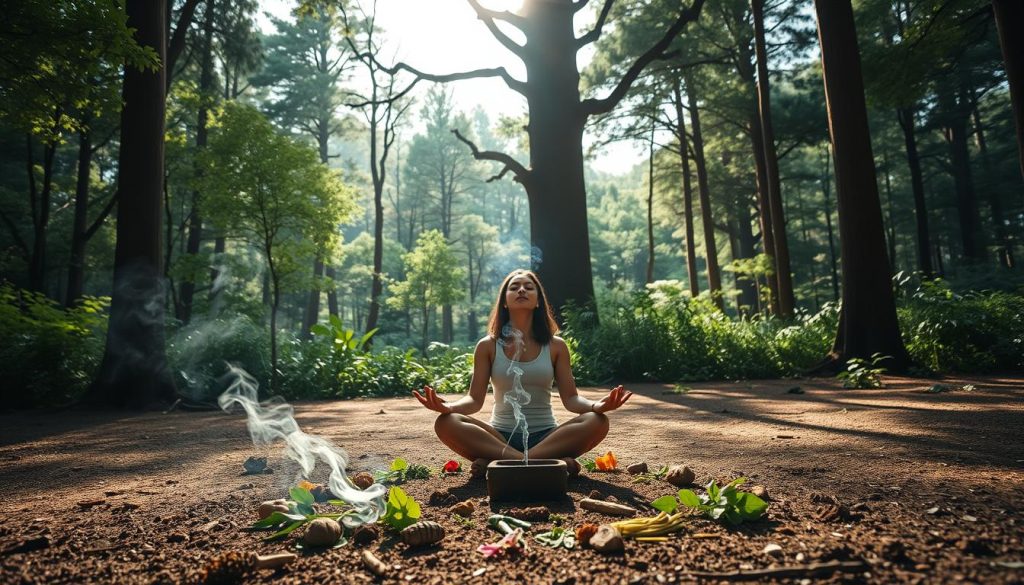
So, what is integration? It’s reflecting on your plant medicine journey, grasping its importance, and weaving its lessons into your daily life. This involves practices that keep you connected to the ceremony’s insights and emotions.
Journaling is a great way to start integrating. Writing down your thoughts and feelings helps unravel your experience. Meditation also helps, keeping you grounded and connected to yourself.
Practices for Successful Integration
To successfully integrate your plant medicine experience, try these practices:
- Spending time in nature helps reconnect with the world and yourself.
- Engaging in creative activities like art, music, or writing expresses your feelings and insights.
- Practicing mindfulness and meditation keeps you present and centered.
- Sharing your experience with trusted friends or family offers support and new views.
Seeking Professional Help
Integration can sometimes be tough, and you might need extra support. Getting help from professionals who guide through integration can be very helpful. They offer valuable insights and tools to overcome challenges.
For example, retreats like AYA Healing Retreats provide integration support. Don’t be afraid to ask for help when you need it.
The Role of a Guide or Shaman
In the world of spiritual plant medicine, a guide or shaman is key for a safe and meaningful journey. Having an experienced guide can greatly enhance your experience.
Significance of Experienced Guides
Experienced guides or shamans have a lot of knowledge and understanding. They are trained in traditional practices and know how to handle the spiritual and emotional aspects of the ceremony. For example, AYA Healing Retreats works with experienced curanderos from the Shipibo-Conibo tribe. These curanderos are trained in the traditional use of ayahuasca and other sacred plants.
Choosing the Right Guide
Choosing a guide or shaman is a big decision that needs careful thought. Look for someone with lots of experience and a deep understanding of the ceremony’s spiritual and cultural context. Here are some things to consider:
- Experience: How many ceremonies have they led or participated in?
- Training: What kind of traditional or cultural training have they received?
- Reputation: What do previous participants say about their experience with the guide?
Ethical Considerations
Ethical considerations are very important in spiritual plant medicine ceremonies. A responsible guide or shaman must respect the traditions and the well-being of participants. This includes creating a safe environment, being clear about the risks and benefits, and respecting the cultural origins of the practices.
| Ethical Aspect | Description | Importance |
|---|---|---|
| Respect for Tradition | Understanding and honoring the cultural and spiritual traditions behind the ceremony. | High |
| Safety and Well-being | Ensuring the physical and emotional safety of participants. | High |
| Transparency | Clearly communicating the risks, benefits, and what to expect during the ceremony. | High |
By understanding the role of a guide or shaman and choosing someone experienced and ethical, you can improve your journey with sacred plants and consciousness. This can lead to a more profound and meaningful experience.
Legal and Safety Aspects
Exploring spiritual plant medicine means knowing the legal rules. The laws about these medicines change a lot by country and even within a country.
In the United States, the rules are complex. Some medicines are banned, while others are okay for religious or health reasons.
Current Legal Status in the U.S.
In the U.S., the laws about these medicines are tricky. Ayahuasca, for example, has DMT, which is banned. But, it’s okay for some religious groups.
| Plant Medicine | Legal Status | Exceptions |
|---|---|---|
| Ayahuasca | Schedule I (contains DMT) | Religious use exceptions |
| Psilocybin Mushrooms | Schedule I | Some states decriminalizing |
| Peyote | Schedule I | Legal for Native American religious use |
Safety Precautions to Consider
When using these medicines, safety first. Know the risks, like bad reactions, if you have mental health issues or take certain drugs.
- Consult with a healthcare professional before use.
- Ensure you are in a safe and supportive environment.
- Be aware of the legal status and possible dangers.
Resources for Safe Use
Looking into spiritual plant medicine? There are safe guides and support groups. They offer advice and help.
Knowing the legal and safety rules helps you make smart choices. Aim for a safe, meaningful journey that helps you grow spiritually.
Personal Stories and Transformations
Exploring spiritual plant medicine shows its deep impact on people. I’ve seen how these medicines change lives. The stories below prove their power.
Real-Life Transformations
People who try Ayahuasca often say it changed their lives. They feel more aware of themselves and closer to nature. Integrating these experiences into daily life is key.
Microdosing also brings benefits, like clearer thinking and calmness. Looking into these stories helps us see the healing and growth spiritual plant medicine can bring.
FAQ
What is spiritual plant medicine?
Spiritual plant medicine uses plants like ayahuasca and mushrooms in rituals. It helps with spiritual growth, healing, and self-discovery.
What are the different types of spiritual plant medicines?
Types include ayahuasca, mushrooms, and peyote. Each has its own effects and uses in healing rituals.
How do plant medicines affect the brain?
These medicines change brain chemistry. This can alter perception, mood, and consciousness. For example, mushrooms can affect emotional processing.
What are the spiritual benefits of using plant medicine?
Benefits include deeper self-awareness and a connection to nature. They can also heal from trauma. Many experience profound growth and awakening.
How should I prepare for a plant medicine ceremony?
Set clear intentions and choose a safe place. Understand the risks and benefits. Work with an experienced guide.
What is integration, and why is it important after a plant medicine experience?
Integration is bringing insights from the experience into daily life. Journaling, meditation, and therapy help with this.
How do I choose a suitable guide or shaman for a plant medicine ceremony?
Look for experience, training, and a compassionate approach. Choose someone who is knowledgeable and ethical.
What are the legal and safety considerations for using plant medicines?
Laws vary by country. In the U.S., some are controlled substances. Understand local laws and take safety precautions.
Can microdosing spiritual plant medicines have benefits?
Microdosing uses small doses for creativity and focus. It can be beneficial, but approach with caution and guidance.
How can I ensure a safe and beneficial experience with plant medicine?
Work with an experienced guide, prepare well, and know the risks. Prioritize integration and seek help if needed.
