


Surprising fact: a practice rooted in Indian texts from about 1500–1200 BCE still shapes how many people manage stress today.
I’ll show you a simple way to start that feels grounded and real, not strange or over the top. The seven centers run from the base of the spine to the top of the head and link to color, body function, and state of mind.
Yoga therapist Karla Helbert says this approach can help you feel centered, connected, and calm. A 2019 study found that doing a focused practice twice a week for six weeks boosted mindfulness, cut stress, and improved sleep for participants.
I’ll keep this practical. You’ll get clear steps, honest expectations, and small routines you can fit into daily life so the benefits build over time.
Key Takeaways
- I’ll teach a simple, non-woo-woo way to begin.
- You’ll learn how the seven centers map along the spine and why that matters.
- Many people find reduced stress and better sleep from regular practice.
- Short, consistent sessions twice a week showed measurable gains in a 2019 study.
- Options include guided or self-led ways so you can pick what fits your life.
What You’ll Learn in This How-To Guide on Chakra Meditation
Here I map a practical routine so you can begin a focused meditation practice without confusion. My goal is simple: give you clear steps, a short prep checklist, and a flow you can repeat right away.
What the content covers:
- A quick overview of the seven chakras and how each links to everyday themes like safety, creativity, confidence, love, and clarity.
- A prep checklist so your session stays calm: quiet place, comfy clothing, props, lighting, music, and silencing devices.
- A step-by-step method that moves from the root to the crown, with breath focus, visualization, and a closing body scan.
I’ll also show simple tools to deepen the work: affirmations, mudras, and brief journaling prompts you can use after a session.
Practical extras: how long to spend at each stage, balanced expectations about benefits chakra meditation can offer, and recommended guided resources like YouTube, Headspace, and Insight Timer.
By the end of this section you’ll know the purpose of the routine, how to protect your attention, and what to expect from the experience as you build steady practice over time.
The Seven Chakras: Energy Centers from the Base of the Spine to the Top of the Head
Think of these seven centers as a simple map that links how you feel to what your body does. I’ll give a quick run-through from the base spine top to the spine top head so you can picture how they line up.
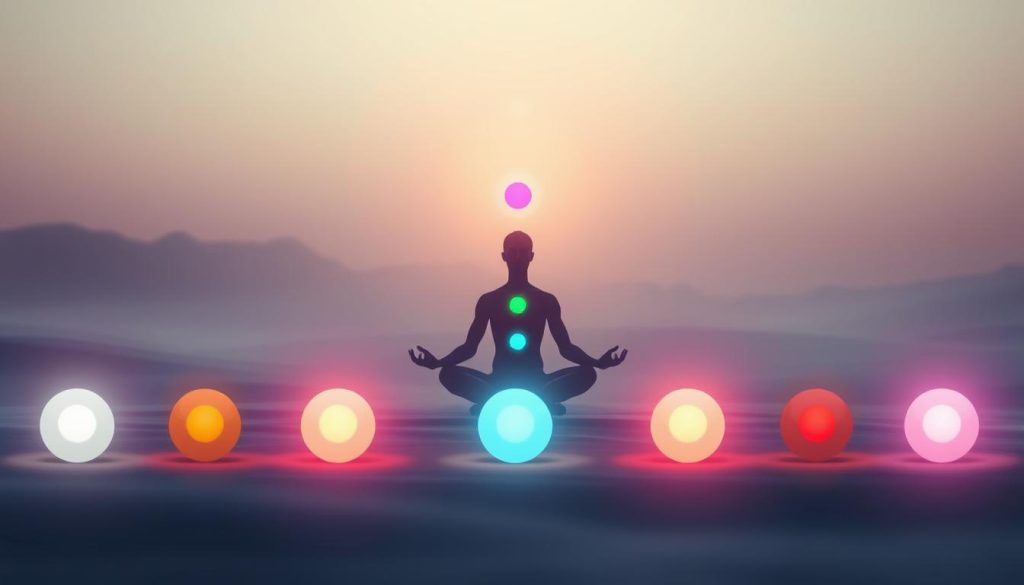
Root to Crown at a Glance: Colors, Locations, and Core Associations
Muladhara (Root) — base of spine, red. Safety and stability; imbalance shows as fear or insecurity.
Svadhisthana (Sacral) — lower abdomen, orange. Creativity and pleasure; imbalance can look like creative blocks.
Manipura (Solar Plexus) — upper abdomen, yellow. Confidence and willpower; imbalance often shows as low self‑esteem.
Anahata (Heart) — center of chest, green or pink. Love and compassion; tightness or relationship strain can appear when it’s off.
Vishuddha (Throat) — throat, blue. Communication and clarity; imbalance may cause fear of speaking.
Ajna (Third Eye) — center of forehead, indigo. Intuition and insight; overthinking and headaches are common signs.
Sahasrara (Crown) — top of the head, violet/white. Higher awareness; imbalance can feel like a lack of purpose.
Why Imbalances Happen and How Alignment Supports Mind‑Body Balance
Imbalances show up as patterns in the mind and body. Stress, old habits, or neglect of one area can tilt the rest.
Gentle awareness and steady breath in your practice help restore balance over time. I encourage short checks during the day—ask your heart how it feels, notice tightness in the chest, or tune into jaw and throat tension.
Use these centers as simple cues—not medical answers—to guide how you care for your body and mind.
- Quick cue: breathe into any area that feels tight for three slow breaths.
- Journal tip: note one insight per center after a short session to track changes.
Set the Stage: Preparing Your Space and Mind for a Grounded Meditation Practice
Start by creating a quiet, comfortable spot where your sessions can feel steady and easy. I like a corner that becomes familiar—your brain learns the cue and settling gets faster over time.
Quiet, Comfort, and Props: Creating a Supportive Environment
Pick a quiet place and dress in soft, non-restrictive clothes. Sit on a cushion, bolster, or folded blanket so your spine feels supported.
Comfort matters, but avoid sinking into sleep. Small props help the body stay relaxed and the mind stay alert.
Lighting, Music, and Silencing Devices: Protecting Your Attention
Soften lights or light a candle if that helps you settle. Choose gentle, instrumental or nature sounds if you use music. Avoid vocals that pull your focus.
Put your phone on Do Not Disturb and set a simple timer. That little ritual protects the time and keeps you present.
Choosing Guided Meditations vs. Self-Guided Sessions
Guided programs can be useful when you want structure or clear cues. Self-guided sessions suit people who like to move at their own pace or follow inner prompts.
There’s no one right way. Try both. I recommend YouTube, Headspace, or Insight Timer if you want guided content. If you go self-guided, use a short timer and a clear intention.
| Feature | Guided Sessions | Self-Guided Sessions |
|---|---|---|
| Best for | Beginners or those who prefer direction | People who want flexibility and silence |
| Structure | Scripted flow, voice cues, set time | Custom pace, personal prompts, variable time |
| Tools | Apps, recorded meditations, playlists | Timer, breath focus, simple journal |
| When to pick | Limited time or low focus | Deeper practice or familiar routines |
Chakra Meditation: Step-by-Step Practice
I’ll guide you through a short, practical session you can use right away. Set aside 10–20 minutes, sit or lie comfortably, and let the next steps move you up the spine with steady breath and gentle attention.
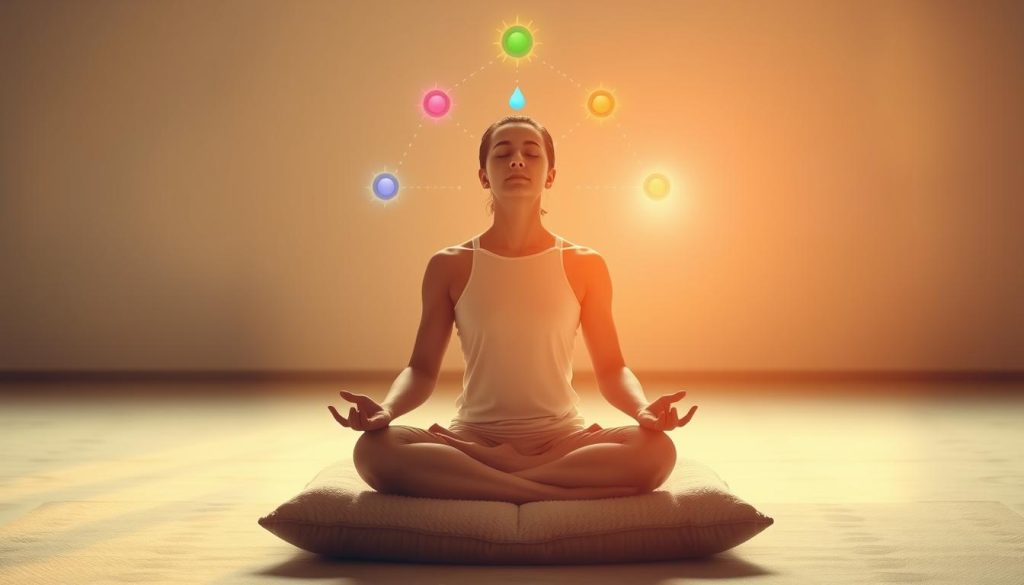
Arrive and Breathe
Set your posture so the spine feels supported. Close your eyes and breathe slowly for a minute or two.
Soft attention on the breath anchors you. Let the inhale fill the belly and the exhale soften tension.
Root: Base of the Spine
Bring awareness to the base of the spine. Picture a steady red glow and imagine it rooting you to the ground.
Breathe into safety and stability. Stay here for a few breaths until the sense of grounding feels steady.
Sacral: Lower Abdomen
Move your focus to the lower belly. Visualize warm orange light and invite ease around creativity and pleasure.
Solar Plexus: Upper Abdomen
Shift upward to the upper abdomen. See a bright yellow light and breathe in confidence and steady willpower.
Heart: Center of the Chest
Bring attention to the chest. Picture green or soft pink and inhale love; exhale tightness in the chest and around relationships.
Throat: Communication and Clarity
Focus on the throat area and imagine a clear blue tone. Soften the jaw and let honest, simple expression feel natural.
Third Eye: Intuition and Insight
At the forehead center, picture indigo light. Trust quiet intuition and allow gentle insight to arise without forcing it.
Crown: Higher Awareness
Rest your attention at the top of the head with a violet‑white openness. Feel higher states consciousness as calm and spacious.
Visualize Alignment
See energy flowing smoothly from base spine top to spine top head, like a clear stream restoring balance through your whole body.
Body Scan, Return, and Reflect
Do a quick body scan for tight spots and breathe healing into those areas. Open your eyes slowly.
Quick journal: write one or two lines about what stood out. That simple habit helps track progress and deepen practice.
| Step | Focus Area | Quick Cue |
|---|---|---|
| Arrive | Breath & posture | 1–2 minutes of slow breathing |
| Root to Crown | Base spine top → spine top head | Visual colors and steady breath per center |
| Align | Energy flow | Imagine smooth movement like a stream |
| Close | Body scan & reflection | Note one insight in a journal |
Deepen Your Chakra Meditation Practice
You can strengthen your practice with short, clear additions that fit real life. These tools help bring clarity, steady energy, and a kinder connection to your heart.
Affirmations for Each Center
Pair a single sentence with each center to anchor purpose. Try: “I am safe and grounded,” “My creativity flows,” “I am confident,” “I am open to love,” “I speak my truth,” “I trust my intuition,” and “I am connected.”
Mudras and Mantras: Hand Gestures and Sounds
Add a simple mudra or a soft mantra if you want tactile focus. These small actions guide energy and keep your attention gentle, not forced.
Consistency and Timing
Short daily sessions beat long, infrequent ones. Five minutes each morning builds momentum. Use longer sits on weekends when you have more time. Make the same place and cue part of your tiny habit.
Journaling Insights
After you sit, write one or two lines about what you felt. Track patterns: which center needs healing, which session helps feel grounded. Over weeks, those notes become the clearest record of progress.
Guided Meditations and Audio Tools: Apps, Binaural Beats, and Tones
A good headset and a clear audio cue make it easier to move from thinking to feeling in a short session.
If you like being guided, try a few voices and styles on YouTube, Headspace, and Insight Timer. You’ll notice which pace and tone suit you best. Many people find a short, audio-led warm-up makes solo practice easier.
Finding Support: YouTube, Headspace, and Insight Timer
Use guided meditations when you want structure. They give clear cues and reduce decision fatigue.
Tip: Mix a five-minute guided opener with your own flow. That hybrid way often works well.
Binaural Beats and Solfeggio Tones: Using Headphones to Support Meditative States
Binaural beats play slightly different tones in each ear to help the brain slip into lower-frequency states tied to sleep, dreams, and focused rest. They require headphones to work properly.
Some apps bundle detailed chakra info, beginner training, mantras, and a tone generator for Solfeggio and binaural frequencies. Look for features like counts, gentle bells, auto-exit, background play, and session reporting. I like apps that track sessions so the tech stays out of the way and the practice stays front and center.
- Audio tools can support your energy work, from simple mantras to tone-based tracks.
- If you’re sound-sensitive, lower volume or choose softer content to stay relaxed yet alert.
- Use audio on busy days; try silence when your mind feels steadier and notice the difference.
Benefits of Chakra Meditation and What to Expect
I’ll keep this simple: regular practice often brings clear, practical gains for your mind and body.
Feeling Grounded, Centered, and Relaxed: Stress Relief and Better Sleep
Many people report calmer nerves, deeper breaths, and a steadier baseline after short, consistent sessions. Evening sittings can improve sleep, while a morning five-minute practice often boosts focus and energy for the day.
Focus, Communication, and Creativity: Everyday Mind‑Body Gains
Over weeks, you may notice clearer communication and more creative flow. The practice trains attention and reduces reactivity, so conversations and tasks feel easier.
Spiritual Growth and Higher Awareness: Exploring Purpose and Connection
If purpose is on your mind, some parts of the routine invite quiet connection rather than dramatic change. It’s normal for these insights to come slowly.
Research and Reality Check: Many People Find It Helpful, Experiences Vary
Research ties regular practice to lower stress and improved well‑being. Still, your experience will vary day to day. The goal isn’t perfect stillness; it’s showing up and noticing small shifts.
Tip: keep sessions short if you tend to overdo. Track small wins—less reactivity, more clarity, easier conversation—so progress is visible and steady.
“Consistency, not intensity, builds lasting balance between mind and body.”
Conclusion
Keep the routine small and kind—five focused minutes can shift your whole day. ,
Use the root-to-crown map from base spine top to spine top head as a simple guide. End each sit with a short body scan and one line in a journal to hold the change.
On some days the solar plexus chakra or the third eye chakra may ask for extra care; on others your chest or throat will need attention. Let the practice be one kind act for your purpose, not another task.
Try guided content if tech helps, or sit in silence if that suits you. Keep showing up—small, steady work adds up. When you’re ready, revisit this guide and pick one tiny tweak to test.
One honest sit at a time is all it takes to keep going.
FAQ
What is the practice covered in this guide and who is it for?
This guide teaches a simple energy-centers practice designed for people curious about spiritual growth, stress relief, and improved mind-body balance. I explain how to move attention from the base of the spine up to the top of the head, with clear steps you can try whether you’re new or have some experience.
How long should a typical session be for beginners?
Start with 10–15 minutes daily. Short, consistent sessions help build a habit and let you notice subtle shifts in the body and mind. Over weeks you can extend sessions to 30–45 minutes for deeper exploration.
Where should I begin when I sit down to practice?
Find a quiet, comfortable spot. Sit with a straight spine, eyes closed, and take a few slow breaths to settle. I walk you through focusing on each energy center from root to crown, using gentle visualization and breath to guide the flow.
What if I feel stuck or tense during the session?
Pause and return to your breath. Grounding techniques like pressing feet into the floor or feeling the base of the spine can help you feel anchored. Short body scans and conscious breathing reduce tension before you continue.
Should I use guided recordings or practice on my own?
Both work. Guided audio or apps such as Insight Timer and Headspace are great if you want structure. Self-guided sessions give you freedom to follow inner cues. Try both and see which supports your attention and growth.
Are there tools that can enhance my practice?
Yes. Gentle background tones, binaural beats played through headphones, soft lighting, and simple props like a cushion or blanket can deepen focus. Keep tools subtle so they support rather than distract you.
How do I know when an energy center is balanced or imbalanced?
Balanced centers often feel open, calm, and responsive in daily life—better sleep, clearer thinking, smoother relationships. Imbalances can show as chronic tension, mood swings, or difficulty expressing yourself. Journaling helps track changes over time.
Can I combine affirmations, mudras, or mantras with the practice?
Absolutely. Short affirmations, simple hand gestures, or a single mantra can amplify focus and intention. Use what feels natural—consistency matters more than complexity.
How long before I notice benefits like feeling grounded or more clarity?
Many people notice small changes within days: calmer breathing and slightly better sleep. Deeper shifts in confidence, creativity, or intuition usually emerge with weeks to months of steady practice.
Are there any risks or reasons to avoid this practice?
It’s safe for most people. If you have a serious mental health condition, recent trauma, or intense dissociation, check with a qualified professional first. If a session brings up strong emotions, slow down, ground yourself, and seek support if needed.
How often should I practice to keep progress steady?
Aim for daily short sessions, plus one longer session each week if possible. Regular practice builds clarity, emotional balance, and a stronger connection to purpose over time.
Can this practice support creativity and communication?
Yes. Working with these energy centers often improves focus, self-expression, and creative flow. Practices that target the throat and heart areas tend to help with honest communication and compassionate connection.
What’s a good way to close a session?
Finish with a brief body scan, gentle stretches, and a moment of gratitude or intention. Jotting one line in a journal about how you feel helps consolidate insight and track changes.
