


I remember the day I realized I was stuck in the past. I was always worried about the future and missing the beauty of the present. It was a typical Monday morning, and I was in a rush to get to work. As I sipped my coffee, I felt a sense of unease.
Mindfulness practices help us appreciate the world more. They help us break free from worry and regret. By being mindful, we find peace in the simplicity of the present.
As we explore being present, you’ll learn to let go of distractions. You’ll focus on what truly matters.
Key Takeaways
- Mindfulness practices can reduce stress and anxiety
- Being present in the moment improves mental clarity
- Cultivating mindfulness can lead to a more fulfilling life
- Simple mindfulness exercises can be incorporated into daily routines
- Practicing mindfulness can improve relationships and overall well-being
What Does It Mean to Live in the Present Moment?
Being fully engaged in the current moment can greatly enhance our experiences. It helps us understand ourselves and the world better. Living in the present means being aware of our thoughts, feelings, and surroundings without judgment. It’s about enjoying the now, not dwelling on the past or worrying about the future.
Understanding Mindfulness
Mindfulness is key to living in the present. It’s about focusing on the present without judgment. By practicing mindfulness, we can become more aware of our thoughts, feelings, and sensations. This awareness helps us respond thoughtfully, not impulsively.
Jon Kabat-Zinn, a mindfulness expert, once said,
“Mindfulness is the aware, balanced acceptance of the present moment. It isn’t more complicated than that. We are to be aware, to be in the present, and to accept things as they are.”
This quote captures the essence of mindfulness and its importance in being present.
The Importance of Awareness
Awareness is the base of mindfulness. It’s about noticing our thoughts, emotions, and physical sensations without getting caught up in them. Being more aware helps us see patterns in our behavior and thought processes. This allows us to make positive changes in our lives.
| Aspect of Awareness | Description | Benefit |
|---|---|---|
| Thought Awareness | Recognizing our thoughts without judgment | Reduces mental clutter |
| Emotional Awareness | Understanding our emotional responses | Enhances emotional regulation |
| Physical Awareness | Being mindful of our bodily sensations | Improves physical well-being |
Emotional Connection to the Present
Connecting emotionally to the present moment makes life more enjoyable. When we’re present, we can appreciate the beauty around us and enjoy meaningful interactions. This emotional connection enriches our lives and brings a deeper sense of fulfillment.
By understanding and cultivating mindfulness, awareness, and emotional connection, we can truly live in the moment. This journey requires patience, practice, and compassion. But the rewards are well worth the effort.
Benefits of Living in the Present Moment
Living in the present moment can change our lives for the better. It brings many benefits that make us feel better overall. When we focus on now, we become more aware and appreciate life more.
Reducing Stress and Anxiety
One big plus of living in the moment is less stress and anxiety. We stop worrying about the future or past. This calmness comes from being fully in the present. For example, deep breathing exercises help us stay calm and reduce anxiety.
Enhancing Relationships
Being present also makes our relationships better. We listen and respond more deeply when we’re fully in the moment. This leads to stronger, more caring connections with everyone around us. By staying present, we build more empathetic relationships.
Improving Focus and Productivity
Living in the moment also boosts our focus and productivity. We do better and faster when we focus on what we’re doing. Mindfulness, like mindfulness meditation, helps us stay focused and avoid getting sidetracked. This makes us more efficient.
Boosting Overall Happiness
Lastly, being present makes us happier. We enjoy life’s small pleasures more when we’re present. This doesn’t mean ignoring problems, but facing them with a clearer, happier mindset.
In short, living in the present has many benefits. By using mindfulness, like deep breathing and staying present, we can feel less stressed, build better relationships, focus better, and be happier.
- Reduced stress and anxiety through mindfulness
- Deeper, more meaningful relationships
- Improved focus and productivity
- Increased overall happiness and well-being
Techniques to Cultivate Presence
There are many ways to focus on the present moment. By adding these practices to our daily lives, we can improve our ability to stay present and aware.
Mindfulness Meditation
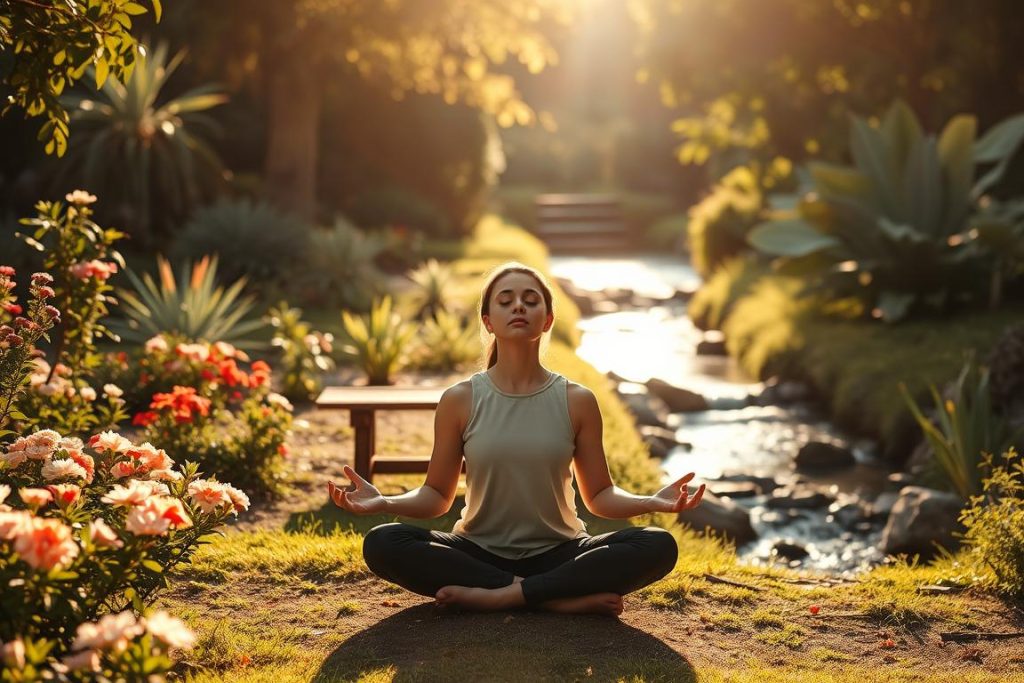
Mindfulness meditation is a great way to stay present. It means sitting quietly, focusing on your breath, and watching your thoughts without judgment. Regular practice helps you notice your thoughts and feelings better, keeping you in the present.
To begin, find a quiet spot, sit comfortably, and focus on your breath. If your mind drifts, gently bring it back to your breathing.
Tips for Effective Mindfulness Meditation:
- Start with short sessions (5-10 minutes) and gradually increase the duration.
- Use a guided meditation app if you’re new to meditation.
- Be patient with yourself; it’s normal for your mind to wander.
Deep Breathing Exercises
Deep breathing exercises also help you stay present. They calm your mind and focus your attention on the moment. To do this, inhale deeply through your nose, hold your breath for a few seconds, and exhale slowly through your mouth. Repeat this several times, feeling the breath.
Benefits of Deep Breathing:
- Reduces stress and anxiety.
- Improves focus and concentration.
- Enhances overall well-being.
Grounding Practices
Grounding practices connect you to the present by focusing on your surroundings. One simple way is to notice your five senses. Pay attention to sights, sounds, smells, tastes, and textures around you. This can make you feel more grounded and centered, even when stressed or anxious.
Examples of Grounding Techniques:
- Notice the feeling of your feet on the ground.
- Listen to the sounds around you.
- Pay attention to the sensation of the air on your skin.
Journaling for Clarity
Journaling helps you reflect on your thoughts and feelings, gaining clarity and presence. By writing about your experiences and reflections, you can understand your patterns better. To start, set aside a few minutes each day to write about your thoughts, feelings, and experiences.
Tips for Effective Journaling:
- Be honest and authentic in your writing.
- Don’t worry about grammar or spelling.
- Use prompts or questions to guide your writing if needed.
Overcoming Obstacles to Present Living
To develop a mindfulness mindset, we must face common challenges that keep us from being present. It’s key to recognize and beat these obstacles on our path to living in the moment.
Being present is not simple. We often get caught up in distractions, regrets, and worries. But, by understanding these challenges and using strategies to beat them, we can live more mindfully and in the present.
Addressing Distractions
Distractions are a big hurdle to living in the moment. Today, we face many digital distractions. To fight this, try presence meditation. This means setting aside time to focus on your breath or a mantra, ignoring distracting thoughts.
Creating a good environment for mindfulness helps too. This might mean having a quiet spot for meditation or turning off notifications at times. By reducing distractions, we can focus better on the present.
Managing Regrets and Worries
Regrets and worries about the future are big barriers to being present. Self-compassion and forgiveness can help manage these. Remember, we can’t change the past, and worrying about the future is pointless.
Journaling is also helpful. Writing down our thoughts and feelings can help us process regrets and worries. This can give us a new view and release emotional weight that keeps us stuck in the past or future.
| Strategy | Description | Benefit |
|---|---|---|
| Presence Meditation | Focusing on breath or a mantra to let go of distracting thoughts | Improved focus and calm |
| Self-Compassion and Forgiveness | Practicing kindness towards oneself and letting go of past regrets | Reduced emotional burden and increased peace |
| Journaling | Writing down thoughts and feelings to process and gain clarity | Enhanced self-awareness and emotional release |
Combatting Negative Self-Talk
Negative self-talk is another obstacle to being present. It often shows up as critical inner voices that can hurt our confidence and distract us. To fight this, we need to be more aware of our thoughts and challenge negative ones.
By practicing mindfulness and observing our thoughts without judgment, we can let go of negative self-talk. This helps us become more compassionate and present.
As we tackle these obstacles, we can live more mindfully and in the present. By using strategies like presence meditation, self-compassion, and journaling, we can live more fully and meaningfully.
The Role of Nature in Mindfulness
Nature has a special way of pulling us into the now, making it perfect for mindfulness. It helps us become more aware and connected to our environment.
Connecting with the Outdoors
Being outside can really boost our mindfulness. Whether it’s walking in the woods, sitting by a river, or just watching the sky, nature gives us many chances to stay present.
- Take a walk without a destination in mind, allowing yourself to fully absorb the surroundings.
- Practice deep breathing exercises while focusing on the sounds of nature.
- Engage your senses by touching plants, smelling flowers, or listening to birdsong.
Nature Walks as a Mindfulness Practice
Nature walks are a great way to practice mindfulness. By focusing on our steps, the ground beneath us, and our breath, we can feel deeply present.
Tips for a mindful nature walk:
- Start by setting an intention to stay present throughout your walk.
- Notice the sensation of each step, the movement of your body, and the surroundings.
- If your mind wanders, gently bring your focus back to the present moment.
The Calming Effects of Green Spaces
Green spaces, like parks and gardens, calm our minds and bodies. They help reduce stress, boost our mood, and improve our well-being.
To maximize the benefits, try to:
- Spend at least 30 minutes in a green space each week.
- Engage in activities that promote mindfulness, such as meditation or yoga, in these natural settings.
- Notice the variety of colors, textures, and scents around you, allowing yourself to fully immerse in the experience.
By adding nature to our mindfulness, we can deepen our connection to the present. This can greatly improve our lives. As we journey to live in the moment, nature is a great ally.
How to Integrate Mindfulness into Daily Life
Mindfulness is more than a practice; it’s a way of life. By adding mindfulness to your daily habits, you can greatly improve your well-being. It’s about being fully present, noticing your thoughts and feelings without judgment.
Morning Rituals for Starting the Day
Starting your day with mindfulness can set a positive tone. This could be as simple as deep breathing, enjoying a quiet cup of coffee, or gentle stretches. By starting with intention, you can feel calm and clear all day.
Try a short morning meditation. Sit comfortably, close your eyes, and focus on your breath. If your mind drifts, gently bring it back to your breath without judgment.
Mindful Eating Practices
Mindful eating brings mindfulness into your daily life. It’s about fully experiencing eating and drinking. Enjoying each bite, noticing flavors and textures, can make eating more enjoyable and healthy.
To eat mindfully, turn off the TV and put away your phone. Eat slowly, noticing the food’s taste and how it feels in your mouth. This can make meals more enjoyable and help you eat better.
Using Commute Time Wisely
Commuting is a big part of our daily lives. Instead of wasting it, use it for mindfulness. Listen to guided meditations or mindfulness podcasts, or focus on your breath and body sensations. This can turn your commute into a mindfulness practice.
If driving, focus on your breath, the feel of your feet on the pedals, or calming music. On public transport, meditate or observe your surroundings with curiosity.

Living in the Moment with Technology
Our digital lives are growing, and so is the need to stay present. Technology can distract us, but it also has tools for mindfulness.
Digital Detox Strategies
Starting a digital detox is easy. Try making your bedroom tech-free or taking a day off from social media. Start small with short times without devices and grow as you get used to it.
Creating tech-free rituals is another good idea. Make your meals or morning routine device-free. This builds a healthier tech relationship and increases presence in daily life.
Mindful Social Media Usage
Social media can distract, but it can also boost mindfulness. Use it mindfully by setting specific times to check it. This stops endless scrolling.
Also, choose to follow accounts that make you feel good. Unfollow or mute those that stress you out. This makes your online space more positive.
Apps to Enhance Mindfulness
Many apps help with mindfulness, like Headspace and Calm. They offer guided meditations and tracking. They’re great for beginners and experts alike.
Apps can make mindfulness part of your daily life. Use them during commutes or waits. Find the right app for you to improve your mindfulness.
Teaching Others About the Present Moment
Teaching others about the present moment makes our mindfulness practice stronger. When we share mindfulness with others, we improve their lives and deepen our own understanding. This journey reinforces our commitment to this valuable mindset.
Sharing Mindfulness with Family
Teaching mindfulness to family members strengthens bonds and makes home life better. Simple acts like mindful breathing or sharing gratitude at meals can bring us closer. These activities help us stay connected in the present moment.
By teaching mindfulness to family, we create a supportive space. This space encourages everyone to adopt a mindfulness mindset.
Incorporating Mindfulness in the Workplace
Mindfulness at work makes the environment more productive and less stressful. Simple exercises like deep breathing or short meditations during breaks can help. These practices reduce stress and improve focus.
By promoting mindfulness, workplaces can become better places. This leads to better teamwork and decision-making. A mindfulness mindset among employees is key to success.
Community Workshops and Classes
Hosting community workshops and classes is a great way to share mindfulness. These can range from basic classes to advanced workshops. This variety helps everyone, from beginners to experienced practitioners.
By teaching mindfulness, we help build a more mindful society. Whether through family, work, or community efforts, sharing mindfulness has a big impact. It benefits both individuals and the community.
Personal Stories: Transforming Lives through Mindfulness
The power of living in the present moment is best shown through personal stories. Mindfulness has changed lives, helping people become more aware and appreciate life more.
Testimonials from Mindfulness Practitioners
Many have shared how mindfulness has improved their lives. For example, Sarah, a busy working mom, found mindfulness meditation helped her manage stress. She says, “Mindfulness has been a game-changer for me. I feel more grounded and patient.“
John, a veteran with PTSD, credits mindfulness for helping him cope with anxiety. He states, “Mindfulness has given me the tools to manage my symptoms and live a more fulfilling life.“
Success Stories of Living in the Moment
Success stories of mindfulness in daily life are truly inspiring. Emily, who overcame chronic pain through mindfulness, now runs a support group. She shares her story to help others find hope and healing.
“The present moment is the only moment available to us, and it is the door to all moments.” – Thich Nhat Hanh
These stories show the deep impact of “living in the present moment” and “presence meditation.” By adding mindfulness to their lives, people have seen big changes. They now experience more peace, joy, and fulfillment.
Conclusion: Your Journey to Living in the Moment
Living in the moment is a journey, not a final goal. It needs patience, kindness, and compassion towards yourself. As you grow in mindfulness, remember to be gentle with yourself.
Practical Steps for Continued Growth
To keep moving forward, setting intentions is key. Decide to make mindfulness a part of your daily life. This can be through meditation, deep breathing, or simply noticing your thoughts and feelings.
Cultivating Mindfulness as a Lifelong Habit
Make mindfulness a lifelong habit by making it a daily routine. Start small, like taking a few minutes each day to breathe deeply or go for a mindful walk.
It’s important to accept imperfection on this journey. It’s okay to get distracted or struggle with staying present. The main thing is to gently return to the moment without judging yourself.
