


Have you ever felt a deep longing for something more? A sense that there’s a deeper connection waiting to be explored? I have, and it led me to the world of Spirituality.
Exploring personal growth, I found that Spirituality is more than a practice. It’s a journey that unlocks our true selves. It helps us understand ourselves deeply and find meaning in our lives.
Embracing this journey can change our lives in big ways. We can gain self-awareness and find our purpose. In this article, we’ll see how personal development through Spirituality can lead to positive change.
Key Takeaways
- Understanding the concept of Spirituality and its role in personal growth.
- Exploring the connection between Spirituality and self-awareness.
- Discovering how Spiritual practices can enhance personal development.
- Learning how to integrate Spirituality into daily life for positive change.
- Recognizing the benefits of a Spiritually guided personal growth journey.
Understanding Spirituality: A Comprehensive Overview
Spirituality is about finding meaning and purpose in life. It’s a personal journey that varies across cultures and practices. This journey is about growing and discovering oneself.
The Definition of Spirituality
Spirituality is about searching for life’s meaning. It’s believing in something bigger than us and seeking personal growth. Spiritual growth helps us understand ourselves and our world better.
“Spirituality is not just about religion; it’s about cultivating a sense of connection to something larger than ourselves, whether that’s a higher power, the universe, or a sense of community.”
Different Forms of Spiritual Practices
There are many spiritual practices, like meditation, prayer, yoga, and mindfulness. These practices help us find inner peace and connect with our spiritual selves. For example, meditation brings calm, and yoga balances body and mind.
| Practice | Description | Benefits |
|---|---|---|
| Meditation | A practice of focusing the mind | Reduces stress, improves focus |
| Yoga | A physical, mental, and spiritual practice | Improves flexibility, balance, and calmness |
| Prayer | A form of communication with a higher power | Provides comfort, guidance, and solace |
The Role of Spirituality in Various Cultures
Spirituality is important in many cultures, often tied to religion and nature. In some, it’s about connecting with the land. In others, it’s about following specific religious traditions. For example, indigenous cultures often have deep spiritual ties to nature.
By exploring how spirituality varies across cultures, we can appreciate the universal search for meaning and connection.
Benefits of Embracing Spirituality
Exploring spirituality reveals many benefits for our well-being. It can make our lives more balanced and fulfilling. It touches many parts of our lives.
Enhanced Mental Well-Being
Spirituality greatly improves our mental health. It connects us deeper with ourselves and the world. This leads to less stress and anxiety.
Meditation and mindfulness calm our minds, bringing inner peace. People who practice spirituality often have better mental health. They face less depression and anxiety.
Strengthened Emotional Resilience
Spirituality helps us handle life’s challenges better. It builds emotional resilience. This is because we believe in a bigger purpose in life.
It also encourages self-reflection and personal growth. This helps us understand ourselves better. We can then manage our emotions and deal with tough situations more wisely.
Improved Relationships
Spirituality makes our relationships better. It brings us inner peace and compassion. This makes us more empathetic and understanding towards others.
Being part of a spiritual community is also beneficial. It offers support and a sense of belonging. We feel less alone and more connected to others.
Exploring Mindfulness and Spirituality
The journey into spirituality often starts with mindfulness. This practice helps us stay present in the moment. It reveals a deep connection to spirituality and boosts our well-being.
What is Mindfulness?
Mindfulness means being fully present and aware of our thoughts, feelings, and body sensations. It’s about noticing the present moment without judgment. It encourages us to be open and curious about what is happening right now.
Adding mindfulness to our daily lives can reduce stress and improve our mental clarity. It also makes us more emotionally resilient. This practice helps us appreciate the simple things and find peace, even in chaotic times.
The Connection Between Mindfulness and Spirituality
Mindfulness and spirituality are closely linked. Mindfulness focuses on the present, while spirituality seeks meaning and connection beyond ourselves. By practicing mindfulness, we can deepen our spiritual experiences and find inner peace and connection.
Mindfulness can lead to a heightened consciousness, deepening our spiritual experiences. This connection can show itself in many ways, like a greater appreciation for nature or a deeper understanding of ourselves and our place in the world.
Practical Mindfulness Techniques
There are many mindfulness techniques we can use daily. Some include:
- Meditation: Sitting quietly, focusing on the breath, and observing thoughts without judgment.
- Body Scan: Paying attention to physical sensations in the body, from head to toe.
- Mindful Walking: Walking slowly, paying attention to the sensation of each step.
To show the benefits of mindfulness, let’s compare some practices:
| Mindfulness Practice | Benefits |
|---|---|
| Meditation | Reduces stress, improves mental clarity |
| Body Scan | Enhances self-awareness, relaxes the body |
| Mindful Walking | Improves focus, cultivates a sense of calm |
By adding these mindfulness practices to our daily routine, we can deeply impact our spiritual journey and overall well-being.
The Role of Meditation in Spirituality
In my journey into spirituality, I’ve found that meditation is essential for inner peace. It’s been a key part of spiritual practices for centuries. Meditation helps us connect with our inner selves and the universe.
Meditation and spirituality go hand in hand. It’s a practice that helps us grow spiritually. Through it, we can find calm, clarity, and a deeper connection to ourselves.
Different Types of Meditation Practices
There are many meditation practices to choose from. Each one meets different needs and preferences. Here are some common ones:
- Mindfulness Meditation: Focuses on being present in the moment.
- Loving-Kindness Meditation: Emphasizes cultivating love and compassion.
- Transcendental Meditation: Uses a mantra to transcend thought.
- Guided Meditation: Involves following a guided audio or visualization.
Each meditation type offers a unique way to grow spiritually. You can pick the one that fits you best.
Benefits of Incorporating Meditation
Adding meditation to your spiritual routine brings many benefits. Here are a few:
| Benefit | Description |
|---|---|
| Reduced Stress | Meditation calms the mind and lowers stress. |
| Increased Focus | Regular meditation boosts concentration and mental clarity. |
| Enhanced Spiritual Connection | Meditation deepens our connection to our spiritual selves and the universe. |
As spiritual leaders say, meditation is key to spiritual enlightenment.
“Meditation is the key to unlocking the full human spirit.”
Tips for Beginners
Starting meditation can feel overwhelming for beginners. Here are some tips to help you begin:
- Start with short sessions (5-10 minutes) and gradually increase the time.
- Find a quiet, comfortable space for meditation.
- Use guided meditations to help you stay focused.
- Be patient with yourself; meditation is a skill that grows over time.
Remember, consistency is key as you start your meditation journey. Regular practice will unlock meditation’s full benefits for your spiritual growth.
Finding Your Spiritual Path
Your spiritual path is unique to you. It’s a journey of self-discovery and growth. As you explore, you’ll find practices and beliefs that connect you to something deeper.
Questions to Explore Your Spirituality
To start, reflect on what spirituality means to you. Ask yourself:
- What are my core values, and how do they relate to my spiritual beliefs?
- What practices make me feel more connected to myself and the world around me?
- What are my goals for my spiritual journey, and how can I achieve them?
These questions help clarify your thoughts and feelings. They guide you toward a fulfilling spiritual path.
Popular Spiritual Paths to Consider
Many spiritual paths exist, each with its own practices and philosophies. Some popular ones include:
- Meditation and Mindfulness: Practices that help you stay present and aware.
- Nature-Based Spirituality: Connecting with nature to find peace and meaning.
- Energy Healing: Techniques like Reiki that focus on balancing your energy.
These paths can be a good starting point or add to your current practices.
Resources for Spiritual Exploration
To deepen your journey, explore various resources:
- Books on spirituality and personal growth
- Online courses and workshops
- Spiritual communities and groups
These resources offer valuable insights and support as you continue your path.
Spirituality and Personal Growth
Spirituality plays a big role in personal growth. It changes how we see ourselves and the world. Exploring our spirituality can make our lives more fulfilling.
How Spirituality Fosters Self-Discovery
Spirituality helps us discover ourselves by looking inward. It makes us think about our values, beliefs, and purpose. Through practices like meditation, we understand ourselves better.
Embracing spirituality increases our self-awareness. This awareness helps us make better choices and live more authentically.
“The journey of self-discovery is a spiritual one, requiring patience, courage, and an open heart.”
Spirituality also helps us find our place in the world. This connection gives us a sense of belonging and meaning. It guides our personal growth.
The Impact of Spirituality on Goal Setting
Spirituality changes how we set goals. It helps us understand our desires and aspirations. When our goals match our spiritual values, we feel more purposeful.
Thinking about our spiritual beliefs helps us set meaningful goals. These goals are not just achievable but also reflect our values. This makes us more motivated to reach them.
| Spiritual Practice | Impact on Goal Setting | Benefits |
|---|---|---|
| Meditation | Clarifies intentions and focus | Reduces stress, enhances concentration |
| Prayer | Provides guidance and support | Fosters a sense of connection and comfort |
| Reflection | Encourages self-awareness and evaluation | Promotes personal growth and learning |
By adding spirituality to our goal-setting, we find deeper purpose. This makes our lives more fulfilling and meaningful. Our goals and actions align with our spiritual values.
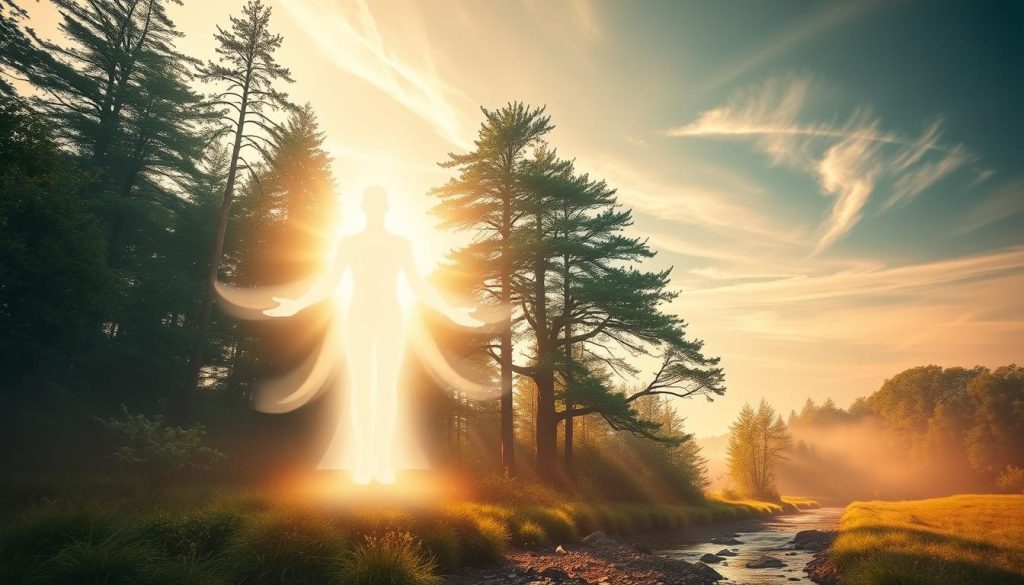
The Power of Community in Spirituality
Spiritual growth is a personal journey, but communities can help a lot. Being in a spiritual community offers support, guidance, and a sense of belonging. It’s a great way to explore your spirituality.
Importance of Spiritual Communities
Spiritual communities are places where people share and learn together. They help you stay on your spiritual path. You also meet others who understand your journey.
Studies show that people in spiritual communities feel better emotionally and are happier. This is because they have a strong sense of connection and support. These are key for growing emotionally and spiritually.
“The power of community is not just about being together, it’s about being together with a shared purpose and intention.”
How to Find a Spiritual Group
Finding the right spiritual group is a personal journey. Here are some steps:
- Research local spiritual groups in your area, such as meditation centers or churches.
- Ask friends or family members for recommendations.
- Look for online communities or forums focused on spirituality.
- Attend spiritual events or workshops to meet like-minded individuals.
| Types of Spiritual Groups | Description | Benefits |
|---|---|---|
| Meditation Groups | Groups that focus on meditation practices | Reduced stress, increased mindfulness |
| Spiritual Retreats | Retreats that offer spiritual workshops and activities | Deepened spiritual practice, community connection |
| Online Forums | Online communities discussing spirituality | Accessibility, diverse perspectives |
Online Spiritual Resources
Today, there are many online resources for spiritual growth. Some popular ones include:
- Online meditation classes and workshops.
- Spiritual forums and discussion groups.
- Websites and blogs focused on spirituality and personal growth.
Remember, the best spiritual community is one that matches your values and beliefs.
Integrating Spirituality into Daily Life
Adding spirituality to our daily lives can bring us inner peace. By making spirituality a part of our daily routines, we connect deeper with ourselves and the world. This connection can be profound.
Simple Practices for Everyday Spirituality
It’s easy to add spirituality to our daily lives. Here are some simple ways to start:
- Mindful Breathing: Spend a few minutes each day focusing on your breath. It helps calm your mind and let go of distractions.
- Gratitude Journaling: Write down three things you’re thankful for each day. It keeps your mind positive and appreciative.
- Nature Connection: Spend time outside, whether walking in a park or sitting in your garden. It helps you connect with nature.
These practices keep you grounded and centered, even on busy days.
Creating a Spiritual Routine
Having a spiritual routine brings stability and comfort. Here are some tips to create a routine that suits you:
- Start Small: Begin with a short daily practice, like 5-10 minutes of meditation or reading spiritual texts.
- Be Consistent: Practice at the same time each day to make it a habit.
- Be Flexible: Life changes, so adjust your routine as needed.
By adding these simple practices and a spiritual routine, you can enrich your daily life. You’ll feel more inner peace and mindfulness.
Remember, your spiritual journey is unique. Be patient and kind to yourself. Adding spirituality to your daily life is a journey, and it’s okay to take it one step at a time.
Spirituality and Nature
Nature has a unique way of waking up our spiritual senses. It encourages us to live more mindfully and authentically. As we explore the connection between spirituality and nature, we see that nature is a deep backdrop for spiritual growth and healing.
The Healing Power of Nature
Being in nature has many health benefits. It can lower stress, improve mood, and even lower blood pressure. Nature also deeply impacts our spiritual well-being. It helps us feel more connected to the world and to ourselves.
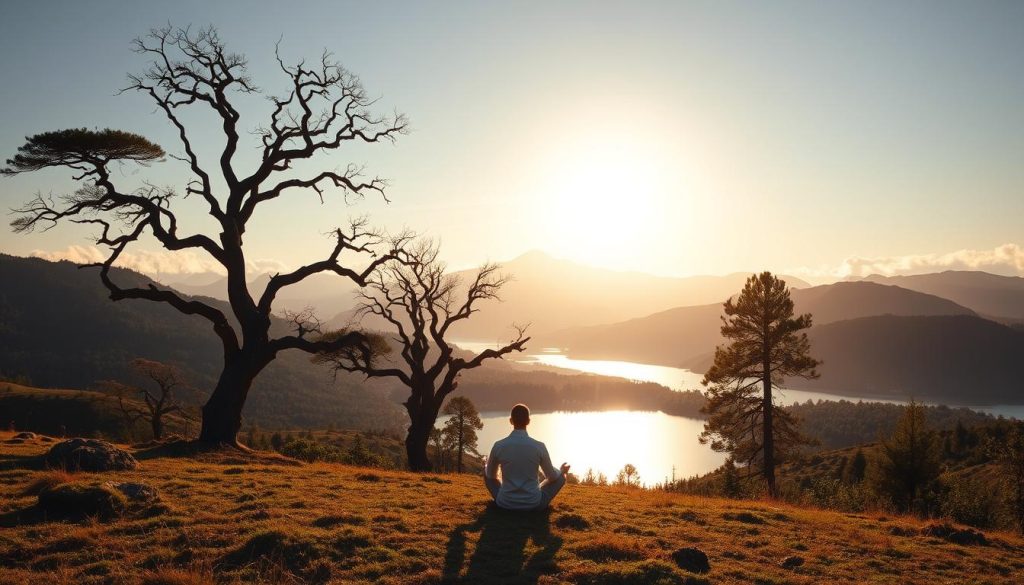
Many find peace and tranquility in nature that’s hard to find in our busy lives. Whether walking in the woods, sitting by a river, or in a garden, nature nurtures our spirits.
Spiritual Practices in Natural Settings
There are many ways to practice spirituality in nature. Some enjoy meditation or yoga outdoors, finding it enhances their practice. Others may garden or take long walks, reflecting and connecting with themselves.
| Spiritual Practice | Natural Setting | Benefits |
|---|---|---|
| Meditation | Quiet forest glade | Reduces stress, increases mindfulness |
| Yoga | Mountain top or beach | Improves flexibility, enhances spiritual connection |
| Gardening | Home garden or community garden | Fosters a sense of nurturing, connects to the earth |
By combining spiritual practices with nature, we deepen our connection to the world and ourselves. This holistic approach leads to a more balanced, fulfilling life.
Overcoming Barriers to Spirituality
Starting your spiritual journey can be tough. You might face obstacles that slow you down. It’s key to tackle these challenges head-on.
Common Hurdles
Many people struggle with skepticism, fear, or doubt. Finding time or motivation for mindfulness or meditation can be hard. Recognizing these barriers is the first step to moving past them.
Strategies for Success
To beat these obstacles, set achievable goals and create a spiritual routine that fits you. Getting advice from spiritual leaders or communities can help. Try different spiritual practices to find what feels right for you.
Finding Guidance
Spiritual leaders and mentors can provide valuable insights and support. You can also learn from various spiritual traditions and practices. Being open to new experiences helps deepen your understanding of spirituality and supports your growth.
FAQ
What is spirituality, and how does it differ from religion?
Spirituality is a personal journey to connect with something greater. It’s not the same as religion, even though they can be linked. Spirituality focuses on personal growth, being mindful, and finding inner peace.
How can I start a meditation practice as a beginner?
Start by finding a quiet spot for meditation. Begin with short sessions, focusing on your breath or a mantra. Use apps or videos to guide you. Meditate at the same time every day to stay consistent.
What are some simple mindfulness techniques I can practice daily?
Simple mindfulness includes focusing on your breath and body scan meditation. You can also practice mindfulness while doing everyday tasks. Pay attention to the sensations and experiences in the moment.
How can I find a spiritual community that aligns with my values?
Look online for local spiritual groups or attend events. Ask friends for recommendations. Explore online forums and social media groups for spirituality to connect with others.
What role does nature play in spirituality?
Nature is key for many in spirituality, connecting us to the world and promoting peace. Activities like walking or sitting in nature can be powerful spiritual practices.
How can I integrate spirituality into my daily routine?
Start by setting aside time for meditation, journaling, or reading spiritual texts. Incorporate mindfulness into daily tasks. Take moments to pause, breathe, and reflect on your values.
What are some common obstacles to spiritual growth, and how can I overcome them?
Common hurdles include lack of time, self-doubt, and distractions. Prioritize your spiritual practice and be patient. Seek guidance and explore different practices to find what works for you.
