


Ever thought about how to cut down on stress and anxiety? Meditation is a simple yet powerful tool that has been around for thousands of years. It offers many benefits for both your mind and emotions.
Adding mindfulness and relaxation to your daily routine can greatly improve your health. Meditation can make you feel happier, help you sleep better, and even improve your thinking skills.
Key Takeaways
- Reduces stress and anxiety
- Improves mood and overall well-being
- Promotes healthy sleep patterns
- Boosts cognitive skills
- Simple and cost-effective practice
Understanding Meditation and Its Origins
Meditation has a long history, affecting cultures and spiritual traditions for thousands of years. It’s important to know its roots and how it has evolved.
What is Meditation?
Meditation is a way to improve attention, emotional awareness, and mental calmness. It trains your mind to focus and find inner peace. Through it, you gain a deeper understanding of yourself and the world.
A Brief History of Meditation
Meditation started around 1500 BCE in the Hindu scriptures, the Vedas. It spread to Asia, changing and adapting to different cultures. Buddhism made meditation a key practice to reach enlightenment. It has influenced many cultures and traditions.
Types of Meditation Practices
There are many meditation practices, each with its own benefits. Here are a few:
- Focused-Attention Meditation: This focuses on a specific object or thought to calm the mind.
- Open-Monitoring Meditation: It observes all experiences without focusing on anything.
- Guided Meditation: Led by a teacher or recording, it uses scenarios or stories for relaxation.
Let’s look at how these meditation types differ and what they offer:
| Meditation Type | Primary Focus | Benefits |
|---|---|---|
| Focused-Attention | Concentration on a specific object or thought | Improved mental clarity, reduced mind-wandering |
| Open-Monitoring | Observation of all experiences without focus | Enhanced self-awareness, emotional regulation |
| Guided Meditation | Following a guided narrative or visualization | Reduced stress, improved relaxation |
Knowing about different meditation types helps you pick what’s best for you. This can improve your mental and emotional health.
Mental Health Benefits of Meditation
Meditation offers many mental health benefits. It can reduce anxiety and stress. It also boosts self-awareness and emotional well-being. Adding meditation to your daily routine can greatly improve your mental health.
Reducing Anxiety and Stress
Meditation is great for reducing anxiety and stress. It helps you focus on the present. This way, you can forget about past or future worries.
Studies show that meditation lowers stress hormones like cortisol. This makes you feel calmer and more centered.
A study in the Journal of the American Medical Association (JAMA) found meditation helps with anxiety and depression. It’s a key part of mental health care.
Enhancing Self-Awareness
Meditation boosts self-awareness. It helps you understand yourself better, including your values and goals. This self-awareness leads to better choices and a more meaningful life.
It makes you more aware of your thoughts and feelings. This leads to self-acceptance and compassion. These are key for better mental health.
Improving Emotional Well-Being
Meditation is also good for emotional well-being. It helps you understand your emotions better. This way, you can handle tough situations better.
Research shows meditation increases happy feelings like serotonin and dopamine. This makes meditation a great tool for mental health.
Physical Health Benefits of Meditation
Meditation does more than just calm your mind. It also boosts your physical health in many ways. Adding meditation to your daily routine can bring a lot of benefits.
Lowering Blood Pressure
Meditation can lower your blood pressure. This reduces the risk of heart disease and stroke. By using relaxation techniques daily, you can manage stress and keep your heart healthy.
Enhancing Sleep Quality
Struggling to sleep is common, but meditation techniques can help. Meditation calms your mind and promotes relaxation. This makes it easier to fall and stay asleep, leading to better rest.
Boosting Immune Function
Studies show meditation can boost your immune function. It reduces stress and improves overall well-being. This helps your body fight off illnesses and stay healthy.
Adding meditation to your daily life can greatly improve your physical health. It can lower blood pressure and boost your immune system. By making meditation a regular part of your routine, you can take care of your health and well-being.
Meditation and Mindfulness
Meditation and mindfulness are closely linked and can greatly improve our well-being. They are often used together but have different meanings and uses.
The Connection Between the Two
Mindfulness means being fully present and engaged in the moment. Meditation helps us develop this mindfulness. It makes us more aware of our thoughts, feelings, and body sensations.
Regular meditation boosts our ability to stay present and focused. This reduces stress and anxiety. It leads to a more balanced and fulfilling life.
Cultivating Mindfulness Through Meditation
There are several meditation techniques to cultivate mindfulness. These include focusing on the breath, body scan meditation, and mindful movement. They help us develop awareness of the present moment without judgment.
To start, begin with short meditation sessions. Gradually increase the time as you get more comfortable. Consistency is key to seeing the benefits of mindfulness and meditation.
Here’s a simple table to illustrate the benefits of combining meditation and mindfulness:
| Practice | Benefits | Impact |
|---|---|---|
| Meditation | Reduces stress, improves focus | Enhances mental clarity |
| Mindfulness | Increases self-awareness, promotes calmness | Fosters emotional well-being |
| Meditation + Mindfulness | Combines benefits, promotes overall well-being | Leads to a balanced life |
By adding meditation and mindfulness to your daily routine, you can see big positive changes. Start your journey today and experience the amazing benefits of these practices.
How to Get Started with Meditation
Meditation is good for everyone, and starting is easy. With many meditation apps and guided meditation sessions out there, you can start your journey easily.
Finding the Right Space
Finding a quiet, comfy spot is the first step. It could be a home corner, a park, or a meditation room. The most important thing is to find a place where you feel calm.
Choosing a Meditation Style
There are many meditation techniques to try, like mindfulness or loving-kindness meditation. Guided meditation is great for beginners because it guides you through the process.
Setting Realistic Goals
Start with short sessions, like a few minutes a day. Then, you can make them longer as you get better. Meditation apps can help you keep track and stay on track.
By finding the right spot, picking a style, and setting goals, you can start a meditation practice that improves your life.
Common Misconceptions About Meditation
Meditation is often misunderstood, leading to several myths that need to be debunked. Many people are deterred from practicing meditation due to preconceived notions about what it entails.
Time Commitment
One common misconception is that meditation requires a significant time commitment. But, even a few minutes of meditation each day can be beneficial. You don’t need to dedicate hours to see positive effects on your mental and physical health.
Spirituality and Meditation
Another myth is that meditation is exclusively for spiritual people. While meditation does have roots in spiritual practices, its benefits extend to anyone looking to reduce stress and improve their well-being, regardless of their spiritual beliefs.
Controlling Your Thoughts
Many believe that the goal of meditation is to completely stop thinking. In reality, meditation is about observing your thoughts without judgment, not eliminating them entirely. This subtle difference can make meditation more accessible to those who think they can’t “stop their mind.”
By understanding the truth behind these common misconceptions, you can approach meditation with a more open mind. This way, you can reap its many benefits, including reduced stress and improved mental clarity.

In conclusion, meditation is a flexible and accessible practice that can be adapted to suit different needs and lifestyles. By dispelling these common myths, you can start your meditation journey with a clearer understanding of what to expect.
Incorporating Meditation into Daily Life
Starting your day with meditation can set a positive tone for the rest of your day. By adding meditation to your daily routine, you can see a big improvement in your well-being.
Simple Meditation Techniques for Beginners
For beginners, it’s best to start with simple meditation techniques. One good method is focusing on your breath. Sit comfortably, close your eyes, and focus on your breathing. If your mind wanders, gently bring it back to your breath.
Another technique is body scan meditation. Lie down or sit comfortably, and focus on different parts of your body. Start from your toes and move up to your head. Notice any sensations, tension, or relaxation.
Apps and Resources to Help You
In today’s digital age, many apps and resources support your meditation practice. Popular apps include Headspace, Calm, and Insight Timer. These apps offer guided meditations, tracking features, and personalized recommendations to help you stay on track.
You can also explore online courses, meditation groups, and local classes to find what works best for you.
Making Time for Daily Practice
Finding time for meditation can be a challenge. But even a few minutes each day can be beneficial. Start by setting aside a specific time each day that works for you, whether it’s first thing in the morning or right before bed.
To make meditation a habit, try incorporating it into your daily routine. For example, right after brushing your teeth or during your lunch break.
| Time of Day | Meditation Tip | Benefits |
|---|---|---|
| Morning | Start with a short 5-minute meditation | Sets a positive tone for the day |
| Lunch Break | Use a guided meditation app | Reduces stress and increases focus |
| Evening | Practice a body scan meditation | Improves sleep quality |
Overcoming Barriers to Meditation
Many people struggle to keep up with meditation because of distractions, not being consistent, and not understanding their mindset. But, by knowing these obstacles and finding ways to beat them, you can make meditation a regular and fulfilling part of your life.
Dealing with Distractions
Distractions are a big challenge for meditation. Sounds from outside or your phone can make it hard to focus. To tackle this, identify what distracts you and find ways to reduce it. For example, silence your phone or find a quiet spot.
Creating a conducive environment is key. You might also consider using noise-cancelling headphones or playing calming music to help mask any background noise.
Staying Consistent
Being consistent is key to meditation. It’s not just about meditating once or twice; it’s about making it a regular part of your routine. Start by setting achievable goals. Begin with a few minutes a day and increase it as you get more comfortable.
- Set a regular time and place for meditation.
- Use a meditation app to track your progress.
- Make meditation a habit by incorporating it into your daily routine, such as right after waking up or before bed.
Understanding Your Mindset
Understanding your mindset is key to overcoming meditation barriers. It’s about being aware of your thoughts and feelings without judgment. When meditating, you’re not trying to reach a specific state; you’re just observing your experiences as they are. This mindset helps you cultivate patience and compassion, which are vital for a consistent practice.
By being gentle with yourself and accepting that it’s okay to have a wandering mind, you can create a more positive and productive meditation practice. Remember, the goal of meditation isn’t to stop your thoughts completely but to learn to observe them without getting caught up in them.
The Role of Community in Meditation
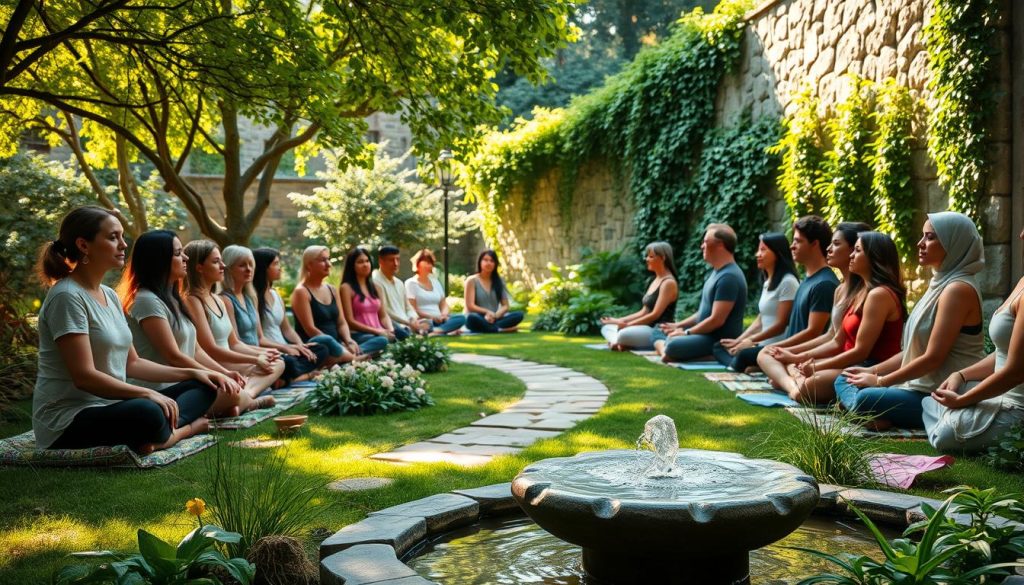
Being part of a meditation community can really help your practice grow. It gives you motivation, guidance, and a sense of belonging. As you learn more about mindfulness, connecting with others becomes even more valuable.
Join a Meditation Group
Joining a meditation group can deepen your practice. Meditating with others creates a special energy that makes your experience better. Many places have local groups where you can meditate together regularly.
To find a group near you, look online or check local wellness centers and yoga studios. Some groups focus on stress reduction or guided meditation.
“The sense of community that comes from meditating with others can be a profound catalyst for personal growth.”
Online Resources and Forums
You don’t need to be in the same place to find a meditation community. The internet offers many resources and forums for connecting with others. You can share experiences and discuss meditation.
- Websites and apps for meditation often have community sections.
- Social media has groups focused on meditation.
- Online forums are great for asking questions and sharing insights.
Online communities are great for beginners or those needing support. They help you stay connected and motivated.
Finding a Mentor
A mentor can greatly improve your meditation. They offer personalized advice, share their journey, and help with challenges. Look for mentors in your local or online communities.
| Benefits of a Mentor | How to Find a Mentor |
|---|---|
| Personalized guidance | Reach out to experienced meditators |
| Shared experiences | Join local or online meditation communities |
| Support in challenges | Attend workshops or meditation retreats |
By joining a meditation community, whether online or in person, and finding a mentor, you can make your practice better. This helps you stay on track with your mindfulness journey.
Advanced Meditation Techniques
Meditation is a journey. Once you’ve started, you might want to try more advanced techniques. These can deepen your self-understanding and make your meditation better.
Exploring Transcendental Meditation
Transcendental Meditation (TM) uses a special mantra to relax your mind. It was created by Maharishi Mahesh Yogi. You practice TM for 15-20 minutes, twice a day, and it’s simple yet effective.
TM helps reduce stress and anxiety. It also improves your mental clarity and creativity. Many people say it helps them sleep better and feel happier overall.
| Technique | Practice Time | Benefits |
|---|---|---|
| Transcendental Meditation | 15-20 minutes, twice a day | Reduced stress, improved mental clarity, enhanced creativity |
| Guided Visualization | 10-30 minutes, as needed | Improved focus, reduced anxiety, enhanced relaxation |
| Loving-Kindness Meditation | 10-20 minutes, daily | Increased compassion, improved emotional well-being, enhanced positivity |
Guided Visualization Practices
Guided visualization uses your imagination to relax and find peace. It’s great for beginners because it gives a clear structure for meditation.
To practice guided visualization, find a quiet spot, close your eyes, and listen to a guided recording. The recording will guide you through relaxing visualizations.
The Power of Loving-Kindness Meditation
Loving-kindness meditation, or Metta meditation, focuses on love and kindness. It can make you feel more positive and connected to others.
To practice loving-kindness meditation, start with yourself. Say “May I be happy, may I be healthy, may I be at peace.” Then, wish these things for others, including friends and even those you might not get along with.
Adding these advanced techniques to your meditation can lead to deeper relaxation and better mental clarity. You’ll also feel more well-rounded and happy.
The Future of Meditation in Modern Society
Meditation is becoming more popular, and it’s being used in many areas of life. I believe meditation will soon be a key part of our overall health and happiness.
Educational and Professional Settings
Schools and workplaces are starting to include meditation. This helps students and workers manage stress and stay focused. This trend is likely to grow, making our communities more mindful and strong.
Technological Integration
Technology is making meditation easier to access. Many apps and websites offer guided meditation sessions. Now, you can practice mindfulness anywhere, at any time.
Long-Term Health Trends
More research on meditation’s benefits is coming out. This will change how healthcare deals with stress and mental health. Meditation is set to be a big part of future healthcare, helping us be healthier in a holistic way.
FAQ
What is meditation, and how can it benefit my mental health?
Meditation is a way to train your mind to focus and relax. It can lower anxiety and stress. It also boosts self-awareness and emotional well-being, improving your mental health.
How do I get started with meditation, and what are the best resources for beginners?
Start by finding a quiet, comfy spot. Pick a meditation style that feels right to you. Set achievable goals. Use apps like Headspace or Calm for guided meditations and support.
Can meditation really help with physical health issues like high blood pressure and sleep problems?
Yes, meditation can help a lot. It can lower blood pressure, improve sleep, and strengthen your immune system. Regular practice can make you healthier overall.
Is meditation only for spiritual people, or can anyone practice it?
Meditation is for everyone, not just the spiritually inclined. It’s a way to improve mental and emotional health. You don’t need to believe in anything specific to meditate.
How can I incorporate meditation into my daily routine, and what are some simple techniques for beginners?
Begin by setting aside a few minutes each day. Try focusing on your breath or doing a body scan. Use apps and resources to help you stay consistent.
What are some common barriers to meditation, and how can I overcome them?
Common hurdles include distractions, staying consistent, and understanding your mindset. Meditate at the same time each day. Use guided meditations and be patient with yourself as you grow.
Can I practice meditation with a group, or are there online resources available?
Yes, you can join a meditation group or find online resources. Being part of a community can help you stay motivated and learn from others.
What are some advanced meditation techniques I can try once I’m more experienced?
For more experienced meditators, try transcendental meditation, guided visualization, or loving-kindness meditation. These can deepen your practice and offer more benefits.
How can I make meditation a consistent part of my daily life, and what are the long-term benefits?
Start small and be consistent. Be patient with yourself. The long-term benefits include better mental and physical health, increased self-awareness, and more calm and well-being.
What is the future of meditation in modern society, and how will it evolve with technology?
Meditation will become more common in schools, workplaces, and healthcare. Technology will make it easier to access, with apps and online resources reaching more people.
